












































The Role of Probability and Risk Assessment in Recreational Diving
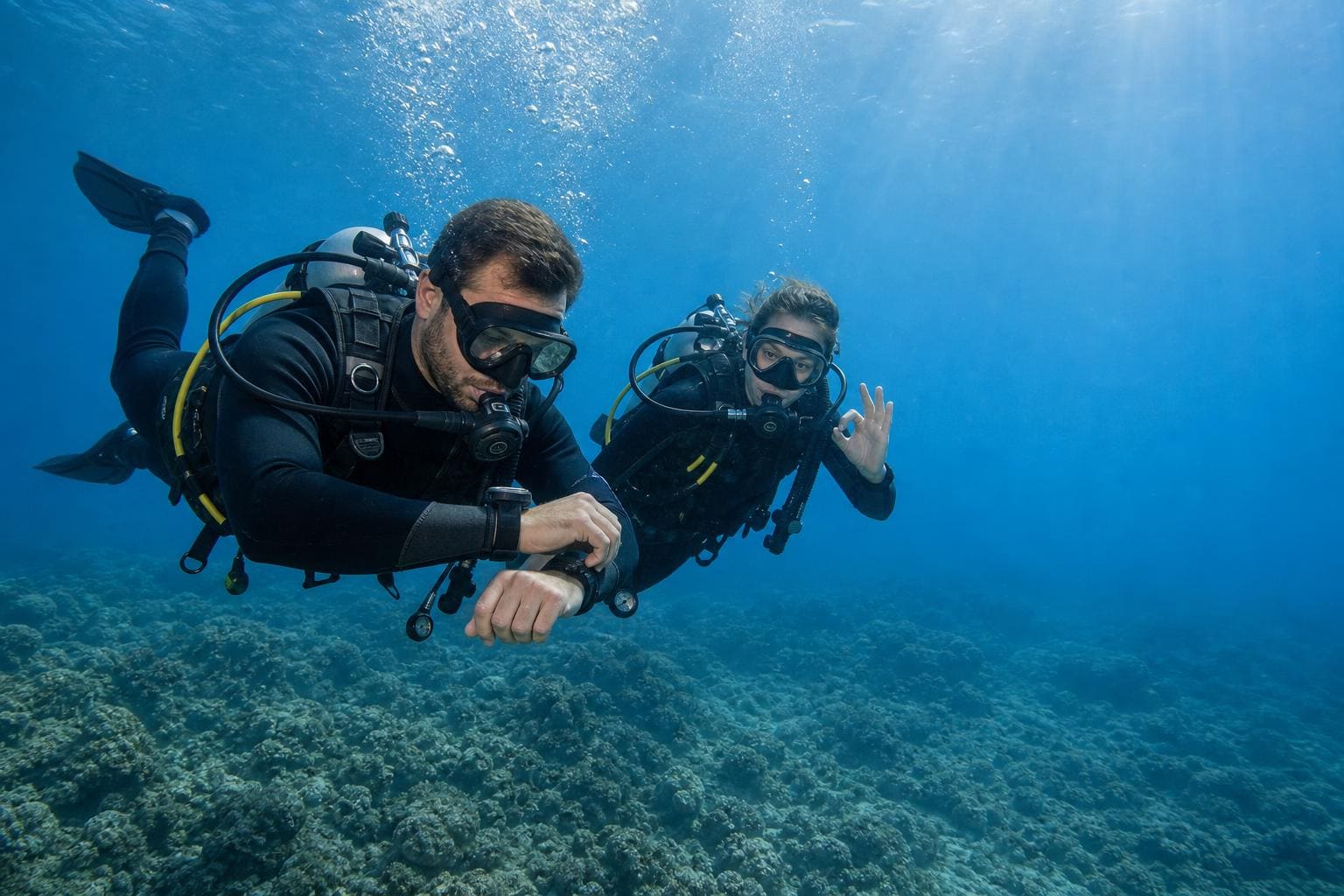
There is something worth seeing just beyond the next outcrop. Both divers have gas left, and another few minutes seems reasonable. Yet extending the route means a longer swim back, more nitrogen absorbed and less spare gas if the current picks up. This is where risk assessment becomes a practical part of diving: deciding what the conditions, gauges and buddy are telling you, then acting while there is still room to change course.
Turning Probability Into a Dive Plan
Probability describes how likely something is to happen. Risk assessment also weighs the consequences. In blackjack, probabilities can be calculated for defined cards and rules; a diver’s exposure changes with depth, time, conditions and effort.
Before entering the water, buddies translate risk into decisions: maximum depth, route, turnaround point and the gas needed to get back. They agree on signals, separation procedures and reasons to end the dive.
The plan should account for both divers’ capabilities. Discussing equipment, recent experience and comfort with the site helps a newly paired team decide what is manageable.
Depth Changes the Gas Calculation
At 20 metres (66 feet), absolute pressure is approximately three times surface pressure. With comparable breathing effort, an open-circuit diver uses roughly three times as much gas, measured as its equivalent volume at the surface.
Someone breathing 20 litres per minute at the surface would therefore use about 60 surface-equivalent litres per minute at that depth. A harder swim raises demand further, so actual consumption needs checking against the plan.
Depth and duration also affect nitrogen absorption and the time available before required decompression stops enter the ascent plan. Staying longer draws on both gas and decompression margins.
BSAC, the British Sub-Aqua Club, advises calculating reserves around cylinder capacity, the planned dive and both buddies’ breathing rates. Emergency gas must cover a problem affecting either diver.
A study of 947 recreational diving fatalities from 1992 to 2003 found insufficient gas accounted for 41% of classified triggers. That historical finding gives gauge checks a clear purpose: spotting a developing shortage early enough to act.
Reading the Conditions Underwater
The gas plan gets its first real test once the dive begins. A current that demands more finning increases consumption. Divers Alert Network (DAN) also identifies heavy exercise at depth as a factor that increases inert-gas uptake.
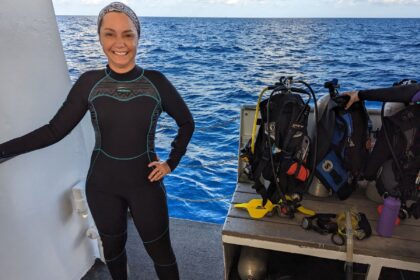
Temperature matters too. It can affect inert-gas exchange and decompression stress, particularly when a diver is cold, while suitable exposure protection helps maintain clear thinking and physical capability.
An earlier turn makes sense when gas use exceeds expectations. A buddy becoming cold or uncomfortable gives the pair another reason to shorten the dive. Regular communication helps bring those changes to attention.
The return route deserves the same attention as the reef ahead. Visibility, surge and access conditions can change during a dive, and an easy entry may become a demanding exit.
Giving the Ascent Enough Time and Gas
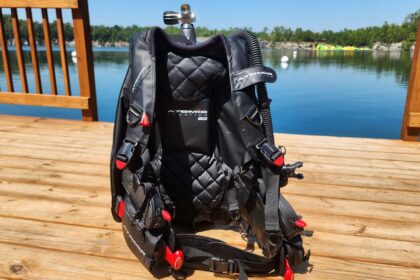
Once the team starts upward, buoyancy control becomes central. Falling pressure allows gas inside buoyancy equipment to expand. Venting it while watching depth helps keep the ascent under control.
The pressure change also affects the body. Decompression sickness involves bubbles forming from absorbed inert gas. Arterial gas embolism occurs when gas enters the arterial circulation. Together, these conditions fall under decompression illness.
A computer tracks depth and time and estimates decompression guidance using its programmed model and settings. DAN’s advice on using dive computers effectively stresses understanding the settings and considering workload, temperature and personal condition alongside the readings.
Leaving time inside the displayed no-decompression limit gives divers more flexibility. Where buddies’ computers differ, the pair should coordinate around the more conservative guidance.
Follow the ascent procedure taught for the dive and the system being used. For dives within no-decompression limits, PADI commonly teaches a three-minute safety stop at about 5 metres (15 feet), when conditions and gas supply allow. Gas planning needs to cover that stop and the ascent.
Making Preparation Count
These decisions become easier to carry out with practice. Buoyancy drills, gas-sharing exercises and familiarity with equipment help divers retain control during a problem. Refresher training gives returning divers an opportunity to rebuild those skills.
Checks deserve equal attention. DAN’s randomised checklist study, completed in 2014, found that checklist use helped prevent diving mishaps. Confirming equipment function, gas availability and signals creates a chance to resolve problems before entering the water.
Emergency preparations should include oxygen, an action plan and access to medical assistance. Unusual post-dive pain, tingling, weakness, balance problems or breathing difficulty warrant urgent assessment.
The timetable matters after surfacing, too. For symptom-free divers, DAN recommends minimum preflight intervals of 12 hours after a single no-decompression dive and 18 hours after repetitive or multiday diving. The journey home belongs in the dive plan.