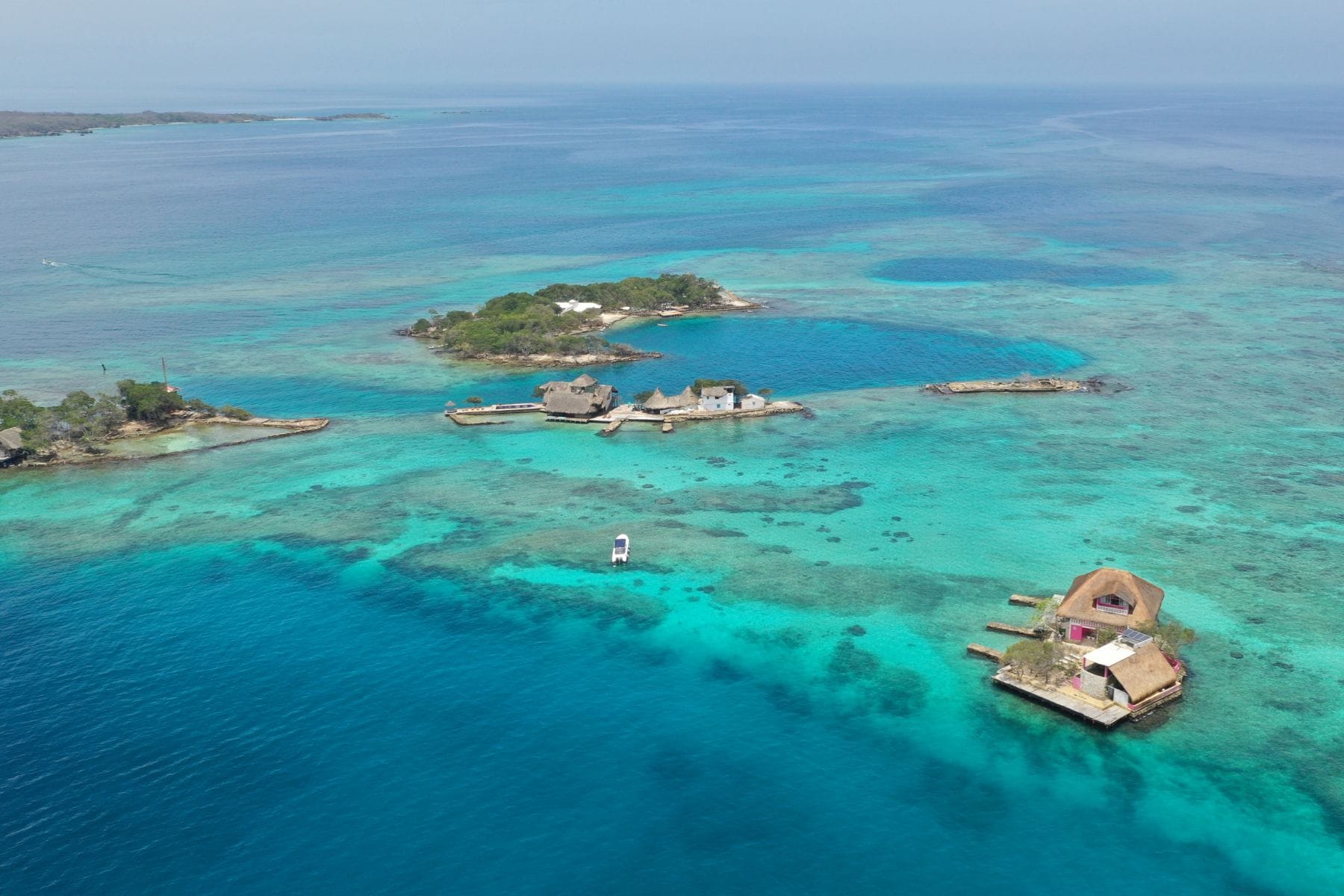



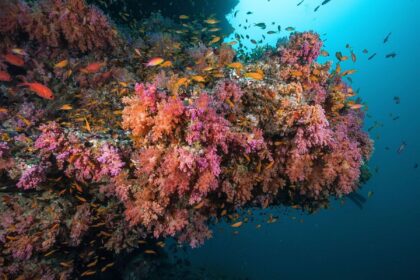
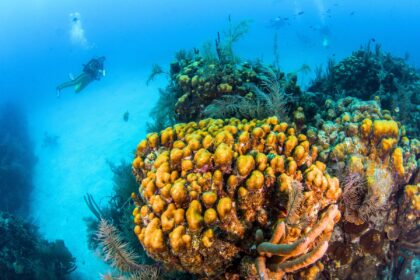
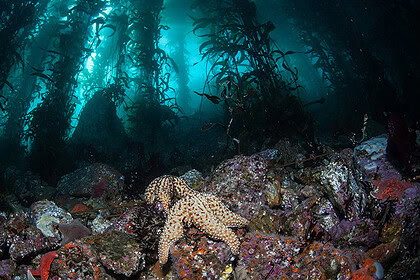
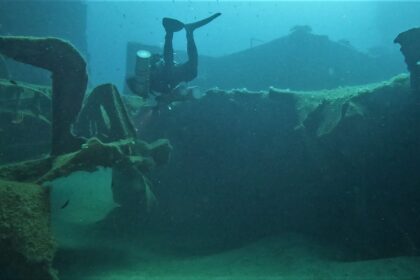
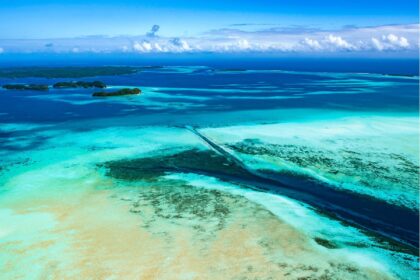

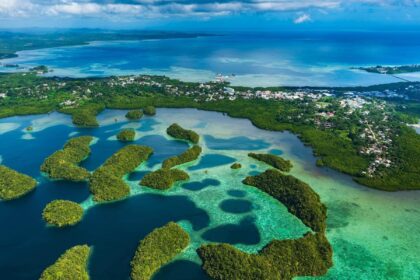








On land, the British Virgin Islands are the epitome of Caribbean-postcard perfection. Sailboats bob in quiet anchorages; palm-fringed beaches unfurl for miles; and there’s always a rum cocktail at the ready. But underwater it’s a whole other world: the best scuba diving in the British Virgin Islands includes a playground of reefs, wrecks, and walls that rival anywhere in the region.
From legendary shipwrecks like the RMS Rhone to colorful coral gardens and dramatic drop-offs, these islands deliver dives that suit beginners and experts alike. Warm, clear water and reliable local operators make every dive easy, while the variety of sites means you can fill a week without ever getting bored.
Here are our picks for the best scuba diving in the British Virgin Islands.
What makes diving in the BVI special?
The British Virgin Islands sit where Atlantic swells meet Caribbean currents, and that mix feeds an incredible range of marine life.
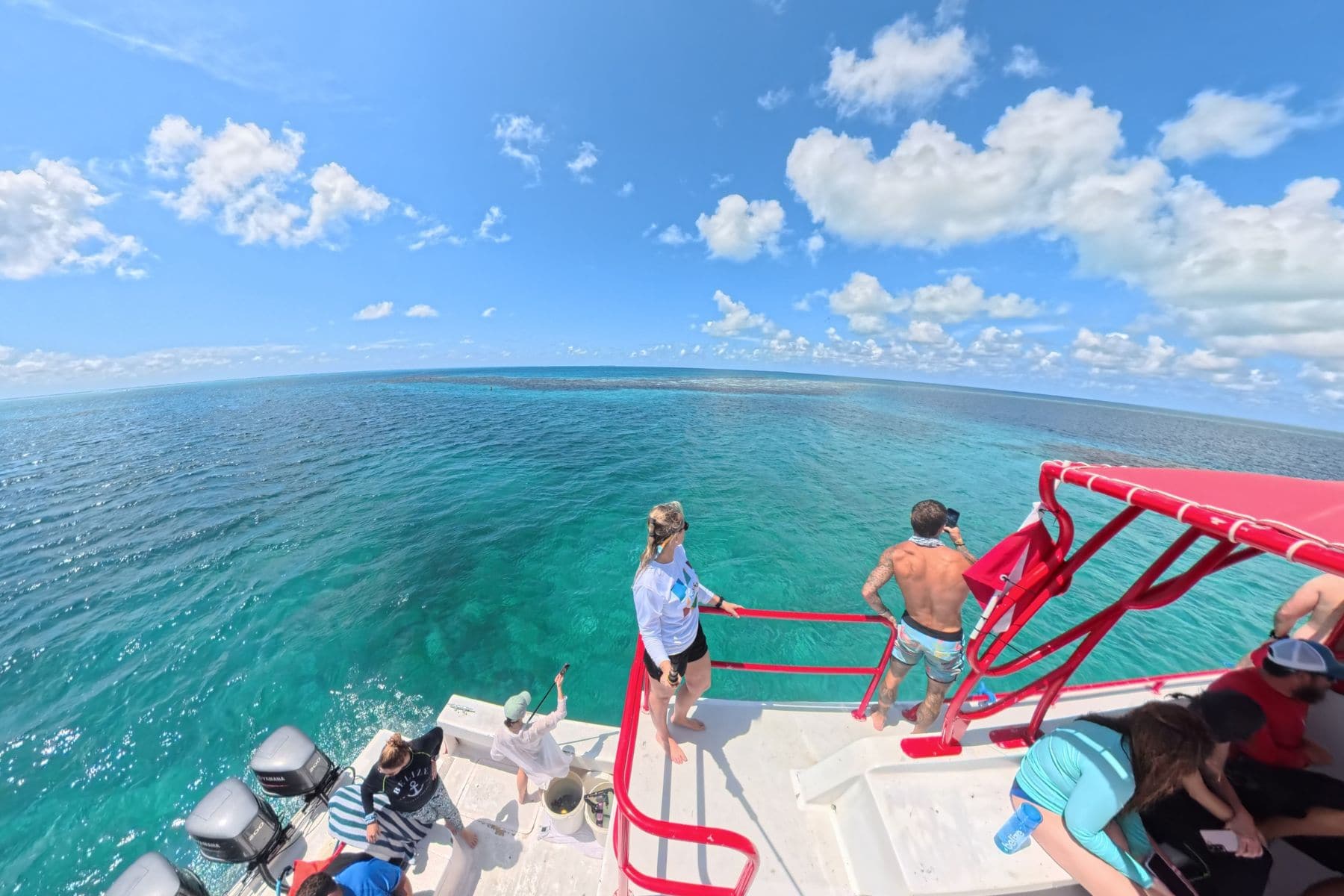
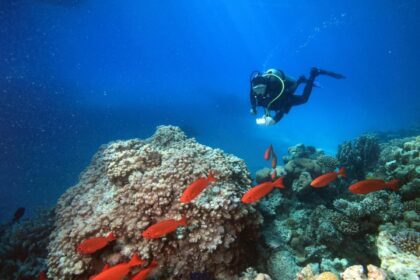
Easy, boat-based reef and wreck dives offer modest—if any—current and lots of structure—perfect for newer divers and relaxed photographers, with enough variety to keep advanced divers smiling. Expect warm 78–84 F (25–29 C) waters, 60–100 feet (18–30 m) visibility, and mostly calm channels, especially in spring.
You’ll hop around Tortola, Norman and Peter Islands, Salt Island, Virgin Gorda and the Dogs, with rare forays to remote sites when conditions allow.
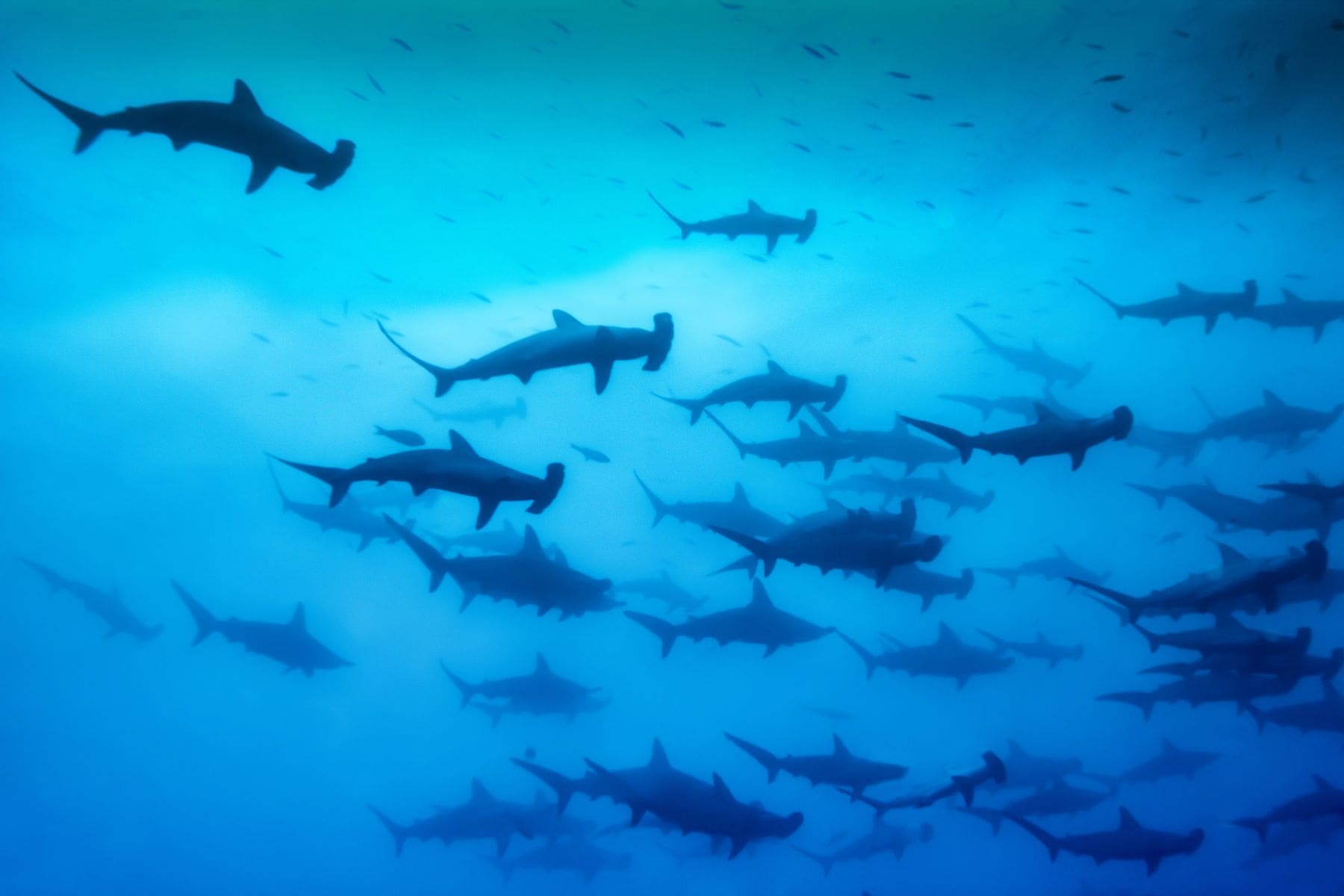
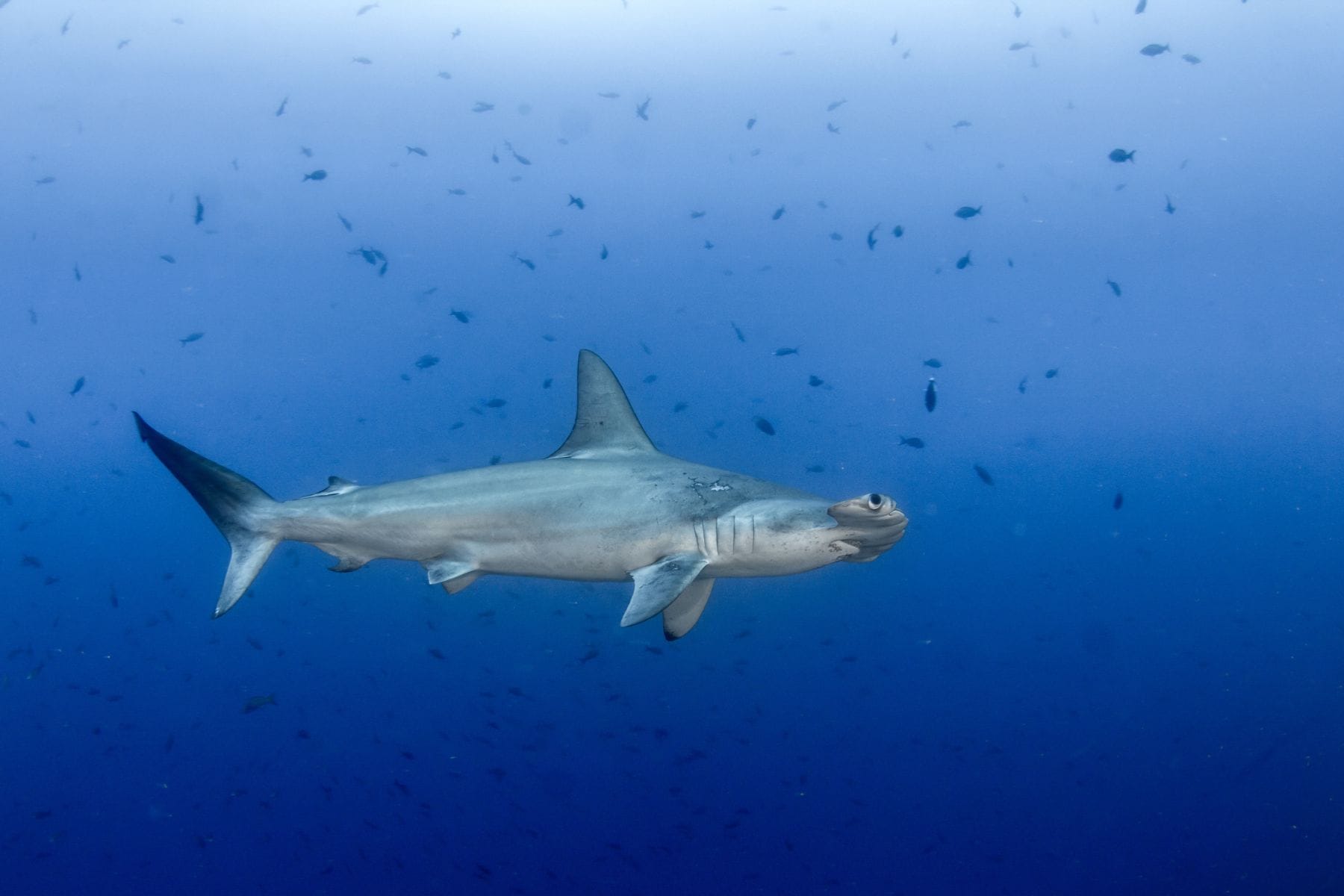
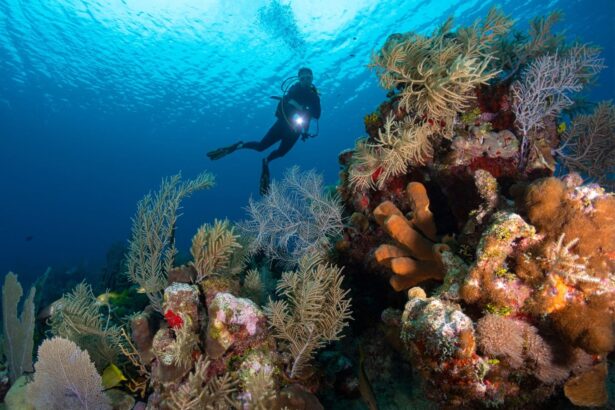
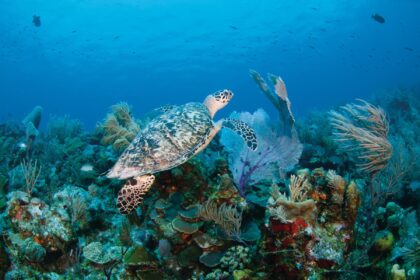
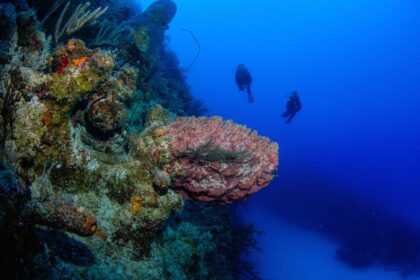
The Rhone isn’t the only worthy wreck, but don’t sleep on the reef dives—drift past towering sponges; watch turtles glide through sun-dappled water; or even spot a few reef sharks in the blue. Whether you like slow dives and macro photography or big-animal encounters, you’ll find plenty to love here.
Best time to dive in the BVI
You can dive the BVI year-round, but the sweet spot is December through May when seas are calmest and visibility often tops 80–100 feet (24–30 m).
Summer brings warmer water but also the possibility of storms during hurricane season (June–November). Conditions can still be good—just keep an eye on the forecast. We visited in July and not only was the weather great, the water was warm. I was fine in a 3 mm wetsuit.
Top 7 dive sites in the BVI
RMS Rhone


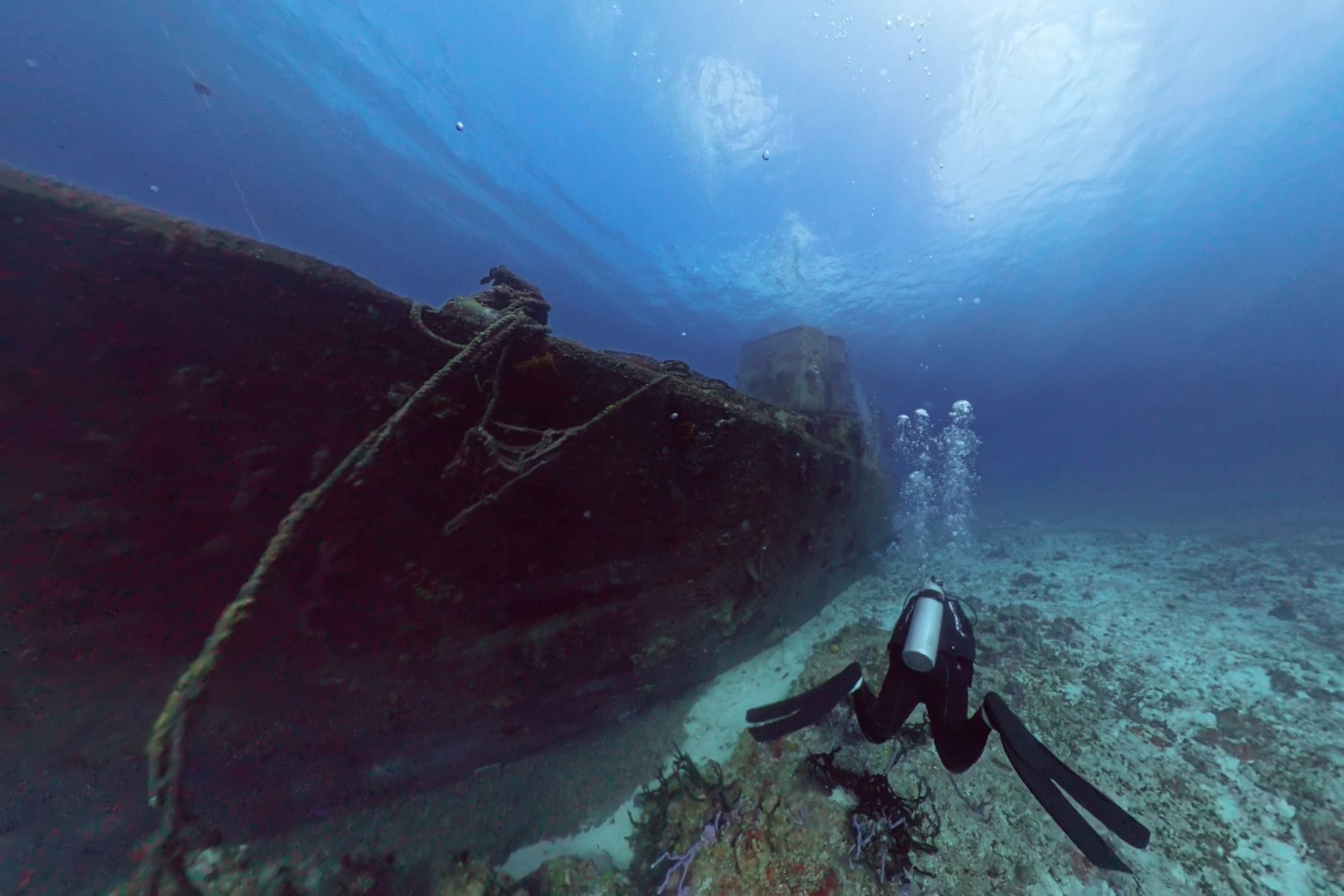
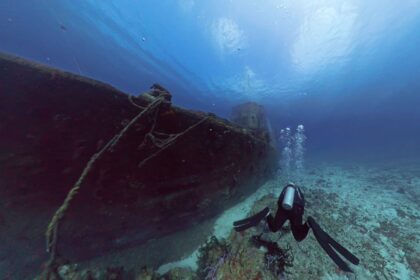
This world-famous wreck is a time capsule of 19th-century steamship travel. As you descend, the outline of the 310-foot (94 m) vessel slowly emerges, its iron ribs now softened by coral and sponge growth.
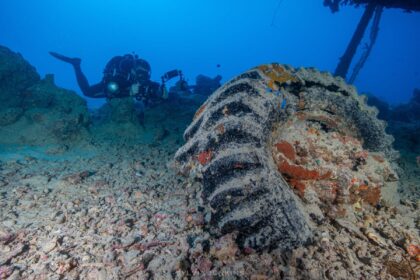
The Rhone split into two sections during an 1867 hurricane, and divers can trace the ship’s story by swimming from the shallower stern—where the massive bronze propeller still gleams—to the deeper bow. The sense of history is almost tangible as you glide past the remains of the engine room and the “lucky porthole,” which countless divers rub for good fortune.
What you’ll see at the RMS Rhone
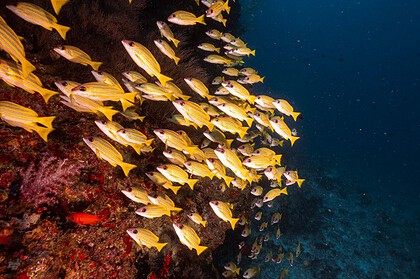
Schools of snapper and glassy sweepers fill the passageways, while big tarpon lurk in the shadows. The giant propeller and the massive bronze bow are photo favorites, and you might spot a turtle cruising past the deck.
- Depth: 20–80 feet (6–24 meters)
- Type: Wreck
- Access: Boat from Tortola or Virgin Gorda
- Difficulty: Beginner to intermediate
The Indians


These four jagged pinnacles rise dramatically from the water near Norman Island, creating one of the BVI’s most recognizable silhouettes. Divers circle the spires, exploring ledges, shallow saddles, and a natural archway lit by beams of sunlight. The site is compact but varied, making it one of the most photographed spots in the territory.
What you’ll see at The Indians
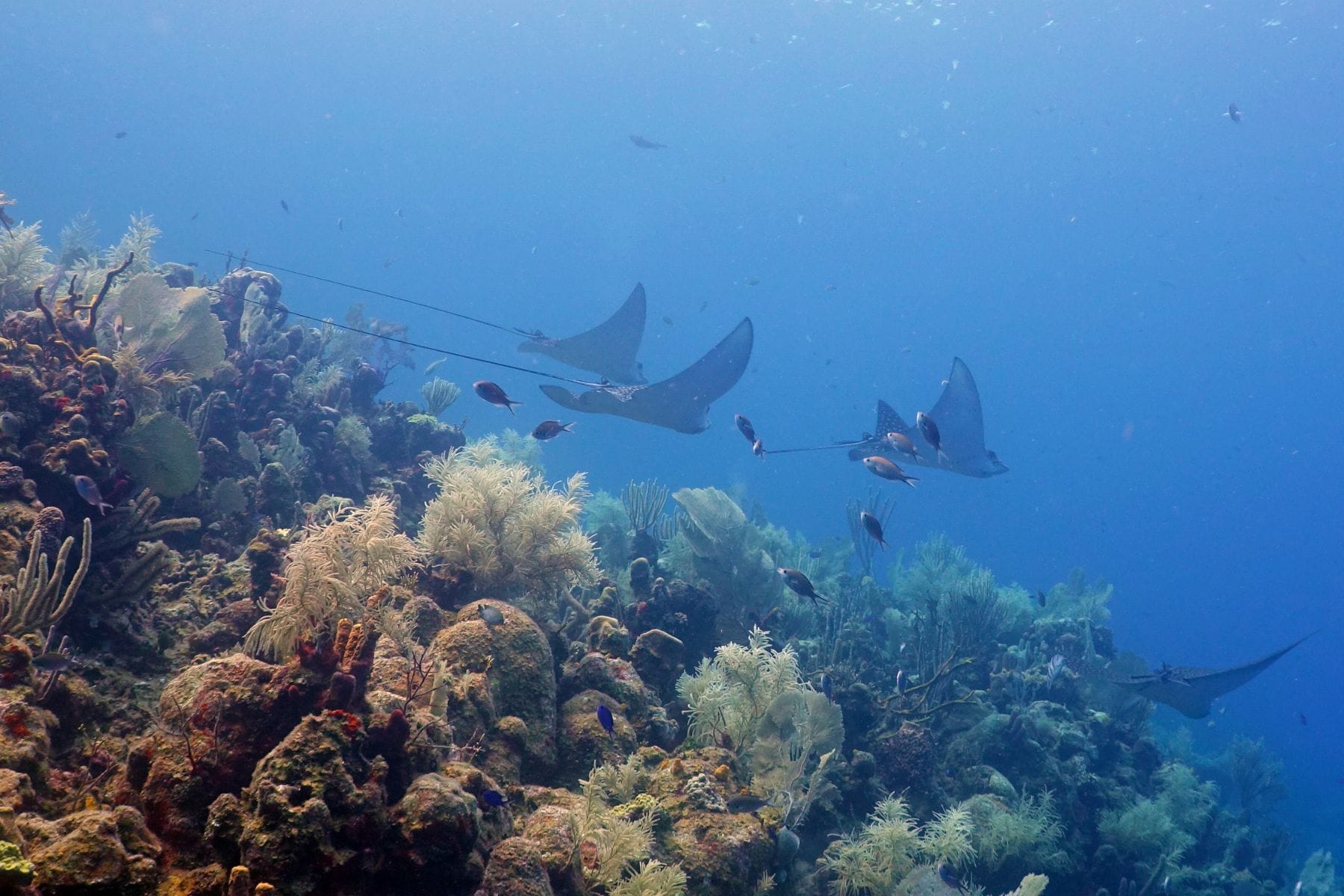
Expect dense schools of blue chromis and sergeant majors, plus colorful sponges and corals clinging to the walls. Parrotfish and angelfish graze in the shallows, while eagle rays occasionally glide past in the deeper water.
- Depth: 10–60 feet (3–18 meters)
- Type: Reef pinnacles
- Access: Boat from Tortola
- Difficulty: Beginner
Blonde Rock


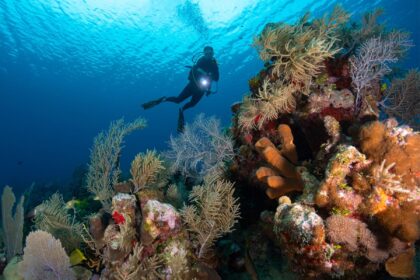
Blonde Rock is a submerged seamount between Dead Chest and Salt Island. The shallow pinnacle top is riddled with arches, tunnels, and overhangs that divers can weave through like a natural playground. Fire coral gives the rock its “blonde” look, while soft corals and sponges splash the reef with color.
What you’ll see at Blonde Rock
From nurse sharks resting under ledges to schools of grunts and creole wrasse in the blue, life is abundant here. Macro hunters love searching the cracks for lobsters, shrimp, and juvenile fish.
- Depth: 15–90 feet (5–27 meters)
- Type: Reef pinnacle/seamount
- Access: Boat from Tortola
- Difficulty: Intermediate (surge and current possible)
The Chimney


Located off Great Dog, The Chimney is named for its narrow canyon that divers can swim through before surfacing into the Fish Bowl, a coral garden alive with activity. The archways and channels here create an exciting sense of exploration without being overly challenging.
What you’ll see at the Chimney
The canyon walls are lined with cup corals and sponges, while the Fish Bowl teems with grunts, snappers, and butterflyfish. It’s also one of the best sites in the BVI for spotting cleaner shrimp and other macro critters.
- Depth: 15–45 feet (5–14 meters)
- Type: Reef/canyon
- Access: Boat from Virgin Gorda
- Difficulty: Beginner
Brewers Bay


On Tortola’s north shore, Brewers Bay offers one of the best shore dives in the BVI. Just steps from the beach, a coral reef unfolds into a gentle slope dotted with hard corals, sea fans, and sandy patches. Its easy entry and calm conditions make it popular with local divers.
What you’ll see at Brewers Bay
Reef fish such as damselfish, wrasse, and parrotfish dominate the shallow areas, while eagle rays and stingrays occasionally pass over the sand. Hawksbill turtles are frequently spotted grazing among the sea grass beds.
- Depth: 15–60 feet (5–18 meters)
- Type: Reef slope
- Access: Shore (north Tortola)
- Difficulty: Beginner
Alice in Wonderland


This site near Ginger Island is famed for its surreal landscape of giant mushroom-shaped coral heads that rise from the sandy bottom. Divers can weave between these massive formations, each hosting its own thriving reef community.
What you’ll see at Alice in Wonderland
The tops of the coral “mushrooms” are carpeted with sponges, while schools of grunts and snapper swirl around the bases. Look for nurse sharks tucked in the sand and barracuda hanging in the blue.
- Depth: 40–80 feet (12–24 meters)
- Type: Coral reef formations
- Access: Boat from Tortola or Virgin Gorda
- Difficulty: Intermediate
The Visibles


Just off the southern tip of Virgin Gorda near the uninhabited island of Fallen Jerusalem, The Visibles are a cluster of dramatic pinnacles that rise above the surface. Below the waterline, the site drops into steep walls and deep canyons that attract schooling pelagic fish and create stunning wide-angle views for photographers.
What you’ll see at The Visibles
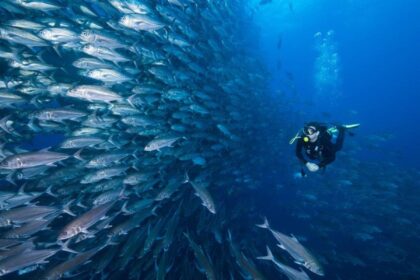
You’ll likely encounter horse-eye jacks, barracuda, and large schools of snapper. The vibrant sponge and coral growth on the walls make this a favorite for photographers. Currents can bring surprises like eagle rays or reef sharks.
- Depth: 30–80 feet (9–24 meters)
- Type: Reef pinnacles
- Access: Boat from Virgin Gorda
- Difficulty: Intermediate–Advanced (exposed site with current)
How to get to and around the British Virgin Islands
Airports & entry
The main gateway is Terrance B. Lettsome International (EIS) on Beef Island (bridge-linked to Tortola), with regional hops from San Juan plus a growing list of direct services, including seasonal Miami–Tortola. Virgin Gorda (VIJ) and Anegada (NGD) are smaller fields used on local routes.
Many divers also fly into St. Thomas (STT) in the USVI, then ferry to Tortola. Pair EIS with Tortola ferry hubs (Road Town, Nanny Cay, Soper’s Hole) and VIJ with Virgin Gorda’s Spanish Town for the shortest transfers.
Getting around
You’ll drive on the left on steep, winding island roads. Taxis and rental cars are easy to get at the airports and marinas.
Inter-island ferries stitch the islands together: Charlotte Amalie (STT) to Road Town (Tortola) runs about 45–60 minutes depending on operator and checks; Tortola to Virgin Gorda is about 30 minutes.
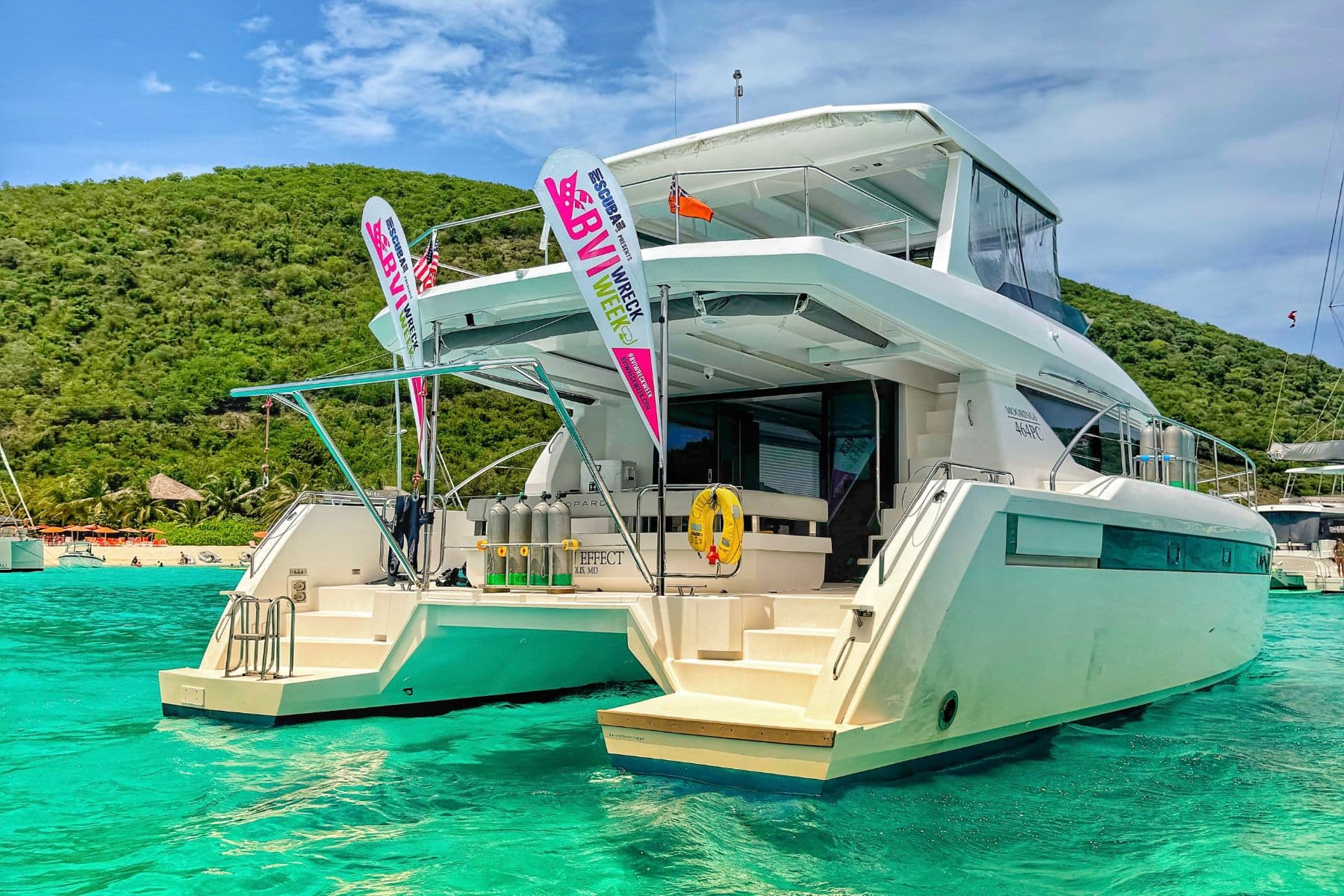
Expect marina parking at Village Cay, Nanny Cay or Soper’s Hole (paid or limited), and dry, stern-platform entries from dive boats—no surf shuffles here.
Regional hubs & transfers
Tortola (Road Town/Nanny Cay/Soper’s Hole): From EIS, count on 25–45 minutes by road depending on the marina. Two-tank mornings are the norm with short rides to the Indians, Rhone, and Blonde Rock; afternoon and night dives offered on demand.
Virgin Gorda (Spanish Town): Reach via VIJ flights or the 30-minute ferry from Road Town. Boats hit the Dogs, Mountain Point, and Ginger Island. Calmer vibe, quick runs, great for families and photographers.
Jost Van Dyke (Great Harbour): Charter-heavy and more limited for daily dive ops; most divers visit JVD between dives or on sail itineraries. Good add-on, not a primary base.
Anegada (Setting Point): Beautiful, exposed and lightly serviced for diving; weather windows control access and longer boat transits add complexity. Consider it a bonus day when conditions go flat.
Where to stay in the British Virgin Islands as a diver
Tortola: Look for marina-adjacent hotels or apartment stays within 5–10 minutes of the boats in Road Town, Nanny Cay, or Soper’s Hole. The best diver-friendly spots offer early breakfasts, on-site rinse tanks, secure gear rooms, shaded drying racks, and easy parking near the dock.
Virgin Gorda: Base in Spanish Town or nearby marinas to keep rides short to the Dogs and Mountain Point. Choose small inns or resort marinas with cart-or-walk access to the dive shop, lockable storage, and beach showers for quick rinse-and-reset between dives.
Anegada: A few beach inns serve snorkelers and kiteboarders; ask ahead about on-call dive boats and weather windows. If diving is your priority, treat Anegada as a side trip when seas are calm.
Final thoughts on diving in the British Virgin Islands
If you like easy, pretty reef diving with iconic wrecks, the BVI delivers in spades. Day-boat hubs on Tortola and Virgin Gorda make planning simple and keep ride times short; the tradeoff is that big-animal encounters are occasional, not guaranteed.
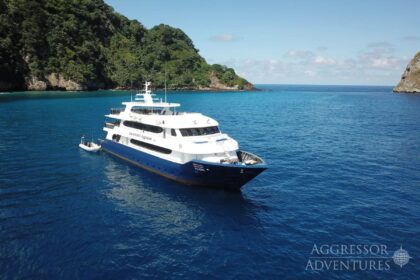
Liveaboard or charter itineraries add reach—think remote pinnacles like The Visibles—but they depend on weather and bring more motion. Overall, the BVI is a sweet spot for relaxed, warm-water diving with standout sites you’ll want to repeat.