


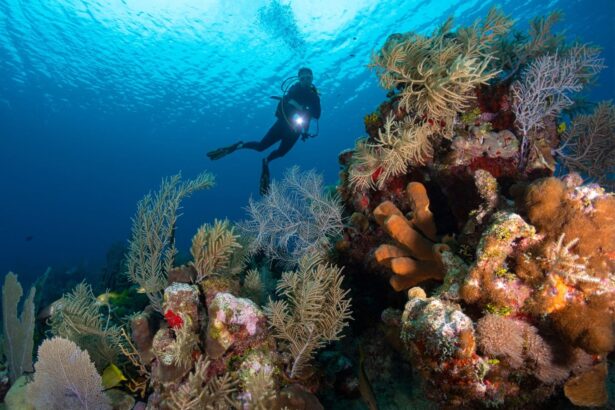






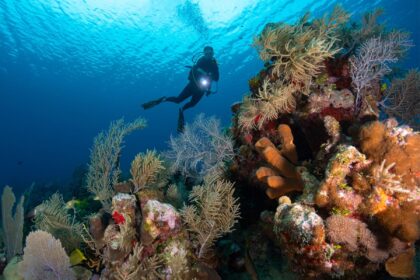
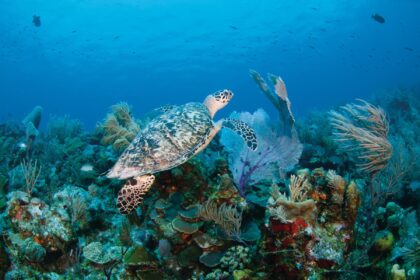











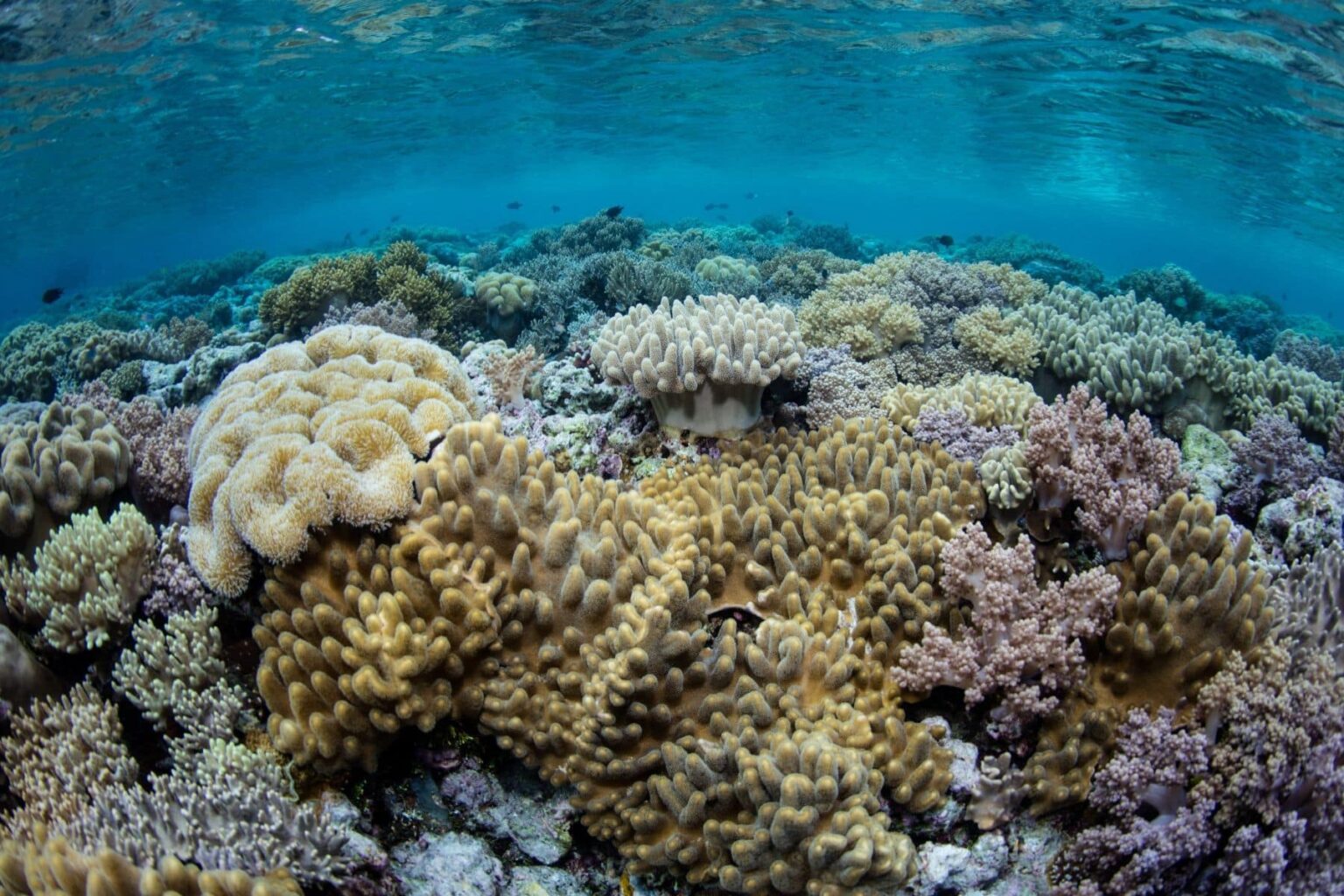
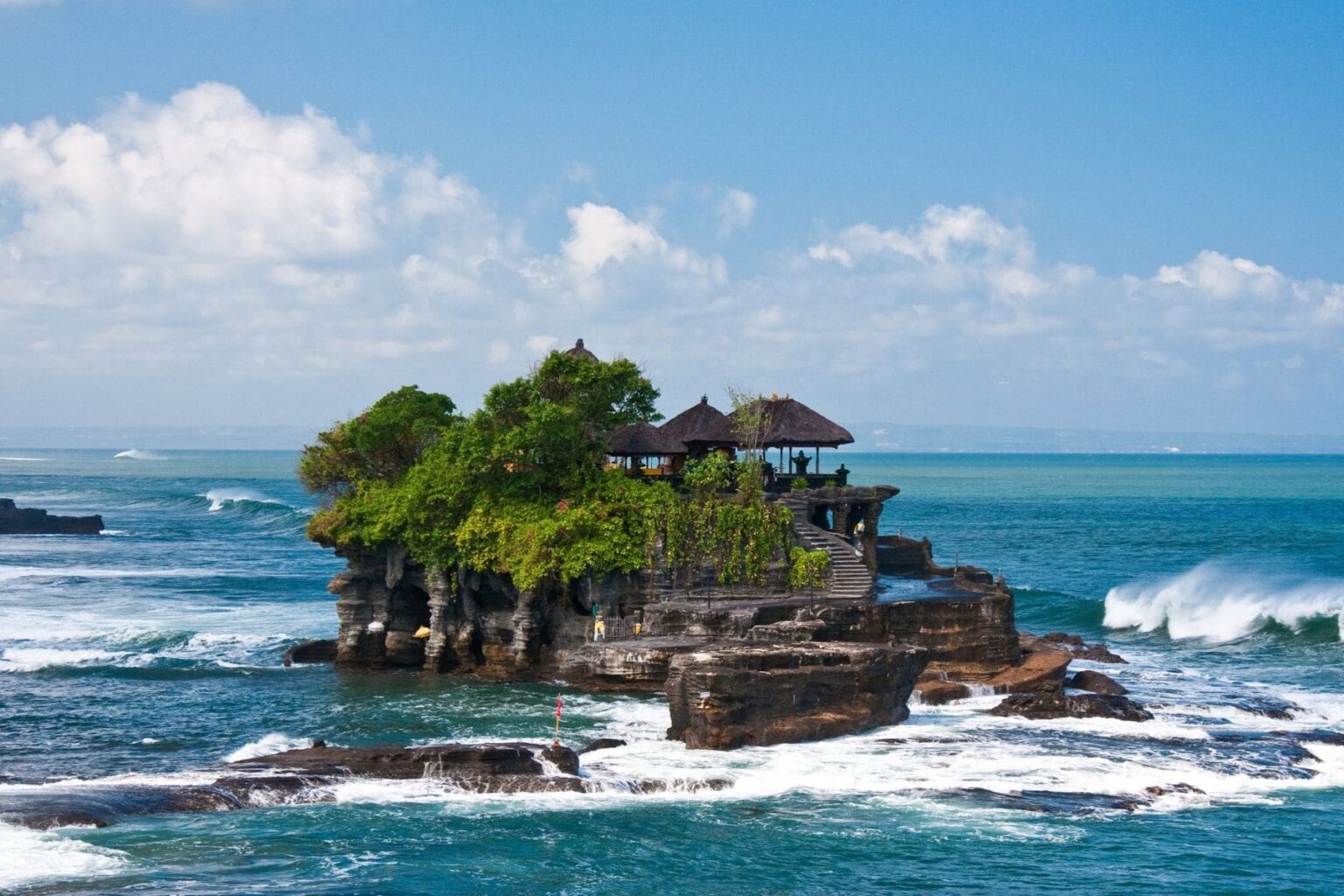


If you were planning to create the perfect, accessible tropical diving destination, what would it take? Coral reefs, muck diving, drift diving, and a selection of boat and shore diving? Bali has all of that and more.
Located at the center of the Indonesian archipelago, it’s a destination with huge appeal to all levels of divers. Bali is part of the famous Coral Triangle, home to the highest coral diversity and the largest number of reef fish worldwide. Divers can encounter three-quarters of all the world’s coral species here, giving them access to some of the greatest biodiversity of marine species.
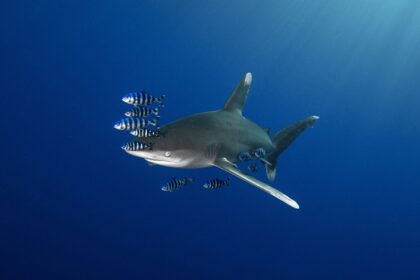
Diving in Bali offers the chance to see blacktip and whitetip reef sharks, fascinating peacock mantis shrimp, and even hang out with mola molas—all on the same day.
Here are some of our picks for the best diving in Bali.
What makes Bali so good for diving?
Bali has held a reputation as one of the world’s leading surfing spots for decades, and it’s starting to build the same reputation for diving. The appeal of Bali is in having something for everyone—this island truly can please everyone, all the time.
Bali is not only a great destination to learn to dive, but also ideal for seasoned divers, who love it for easy access to excellent shore diving. From coral reefs to muck diving and a world-famous wreck, Bali truly offers a buffet of amazing dive sites.
Northeast Bali
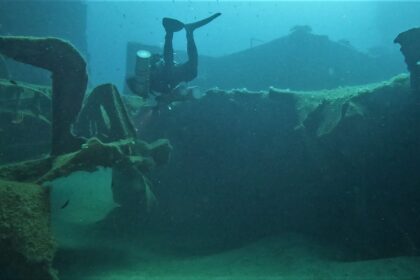
USAT Liberty wreck, Tulamben
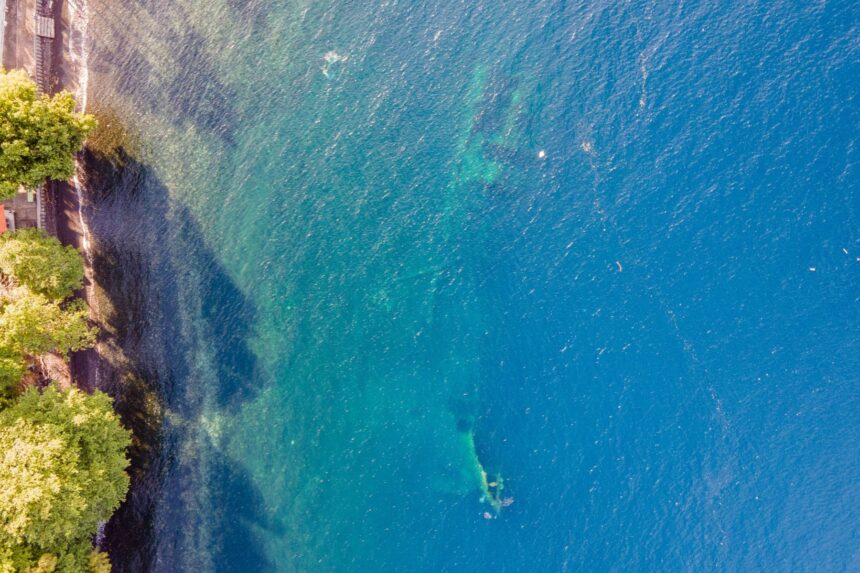
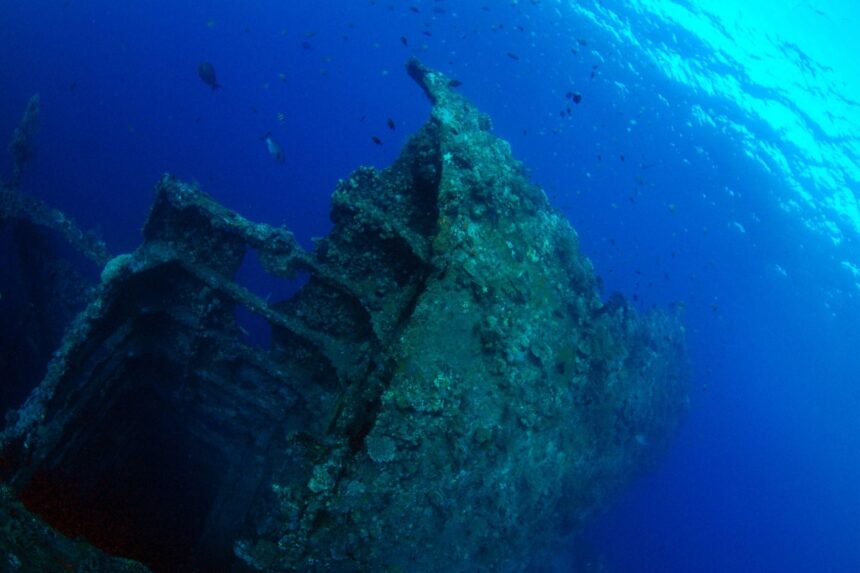


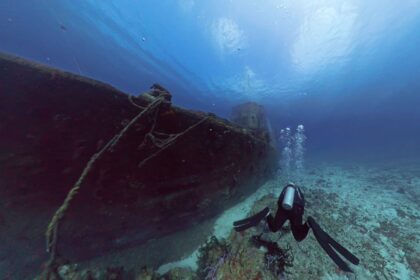
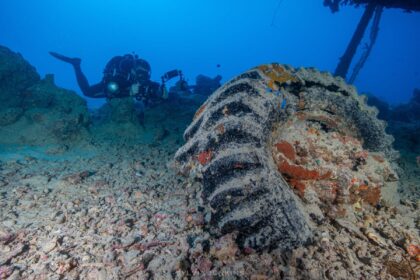
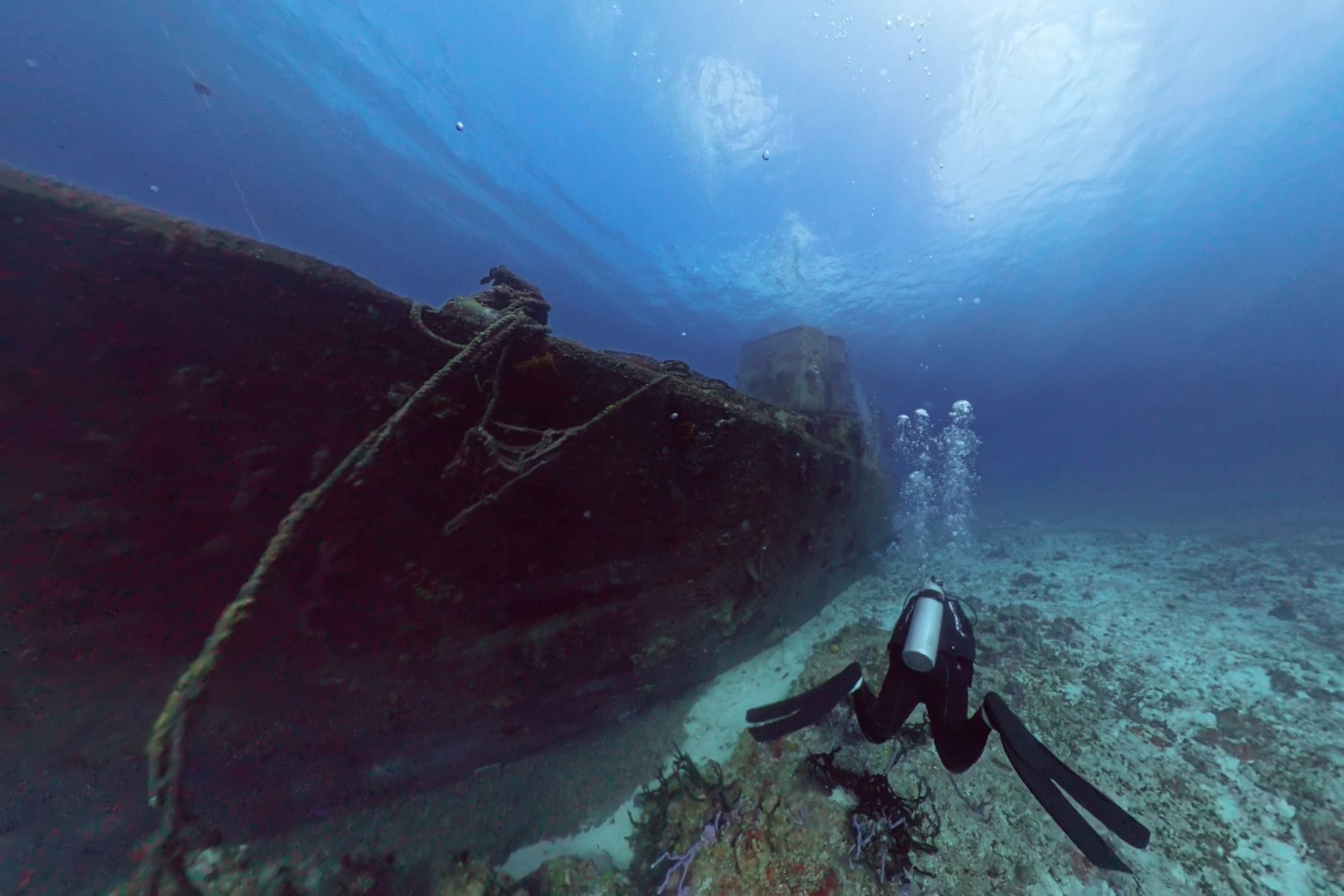
No Bali diving itinerary would be complete without visiting the USAT Liberty shipwreck. This WWII wreck was damaged by a torpedo in 1942 and dragged to shore for salvaging. It stayed on the beach until 1963 when a massive volcanic eruption and earthquakes caused it to slide into the water. The Liberty now rests between 15 and 60 feet (5 to 28 m).
Having gathered rust for over two decades, the wreck was the perfect foundation for coral growth and soon attracted schools of reef fish and larger marine life. Today, it’s more of a reef than a wreck, but you can still identify bits of the boat structure.
Beautiful soft corals cover the wreck in most places. Look out for curious surgeonfish and barracudas. You’d be forgiven for missing the metal parts for the coral growth on the Liberty. The wreck also used to be home to a school of bumphead parrotfish, but their numbers have recently fluctuated.
This is a busy dive site for all levels of divers. If you’d like to avoid the crowds, try diving at sunrise or sunset. At 400 feet (130 m) long, you may even want to make time for two dives on the wreck to take everything in.
Highlights:
- Perfect dive site for all abilities
- Great for snorkeling
- Wreck and reef dive in one
Type: Wreck
Skill level: All levels
Access: Shore
Amed Wall aka the Pyramids, Amed
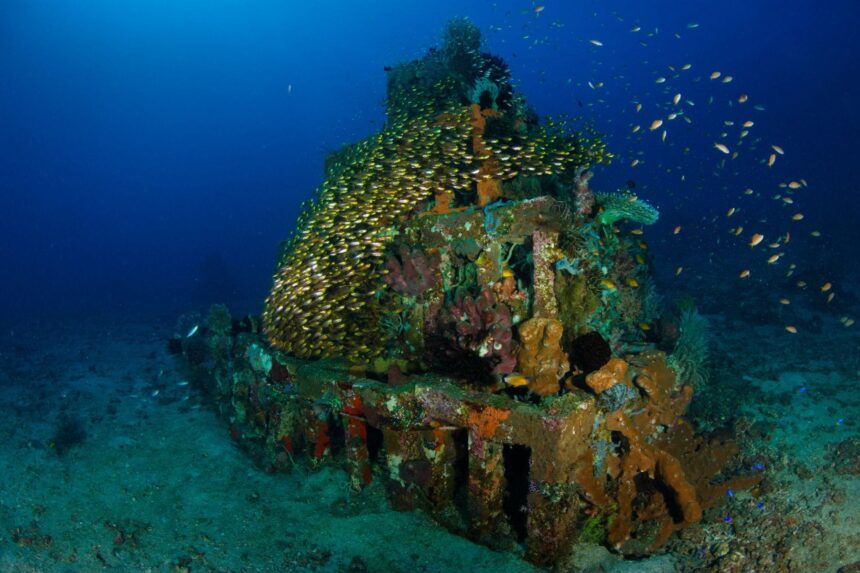


Amed used to be a small, sleepy fishing village in the northeast of Bali, located just to the east of Tulamben. Over the past decade, this area has been discovered by divers, free divers, and yogis alike. But fear not—Amed retains its charm.
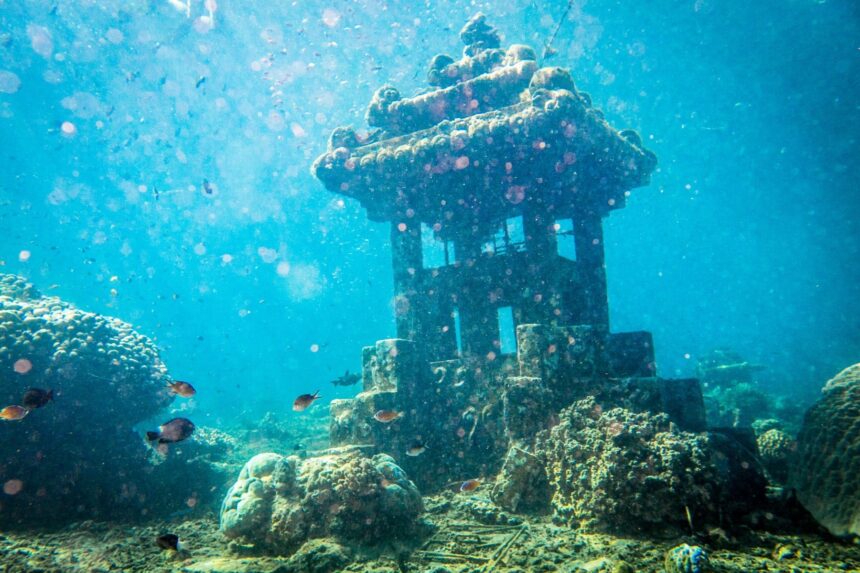
Amed Wall is one of the best-known dive sites in the area, combining natural and artificial reef structures. The artificial part started as concrete constructions resembling pyramids. Today, divers struggle to see even an inch of concrete, as the pyramids have attracted coral growth and plenty of fish and other marine life.
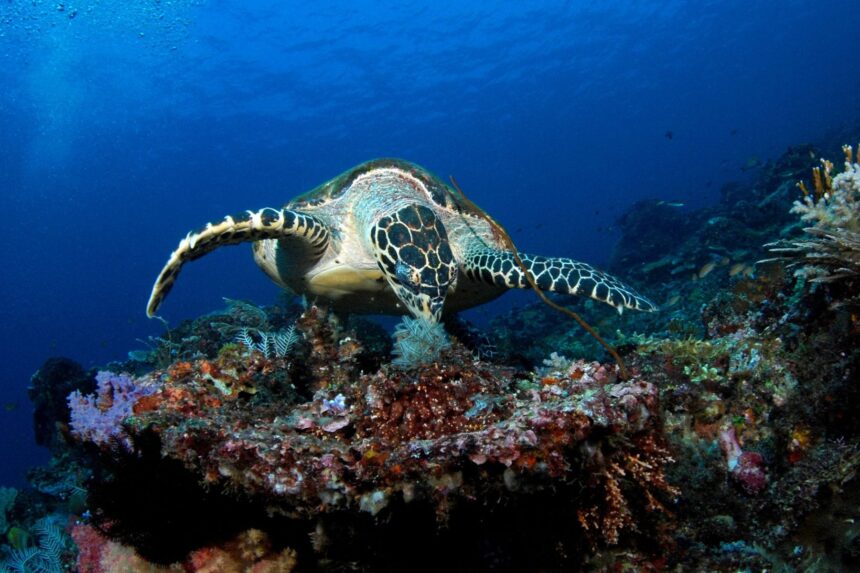
When it comes to macro or larger species, take your pick. Amed Wall is a great place to see turtles munching away on shallow coral, while the deeper end of the wall in 65 to 82 feet (20 to 25 m) attracts reef sharks and barracudas. The Pyramids themselves are home to smaller creatures like different species of nudibranchs.
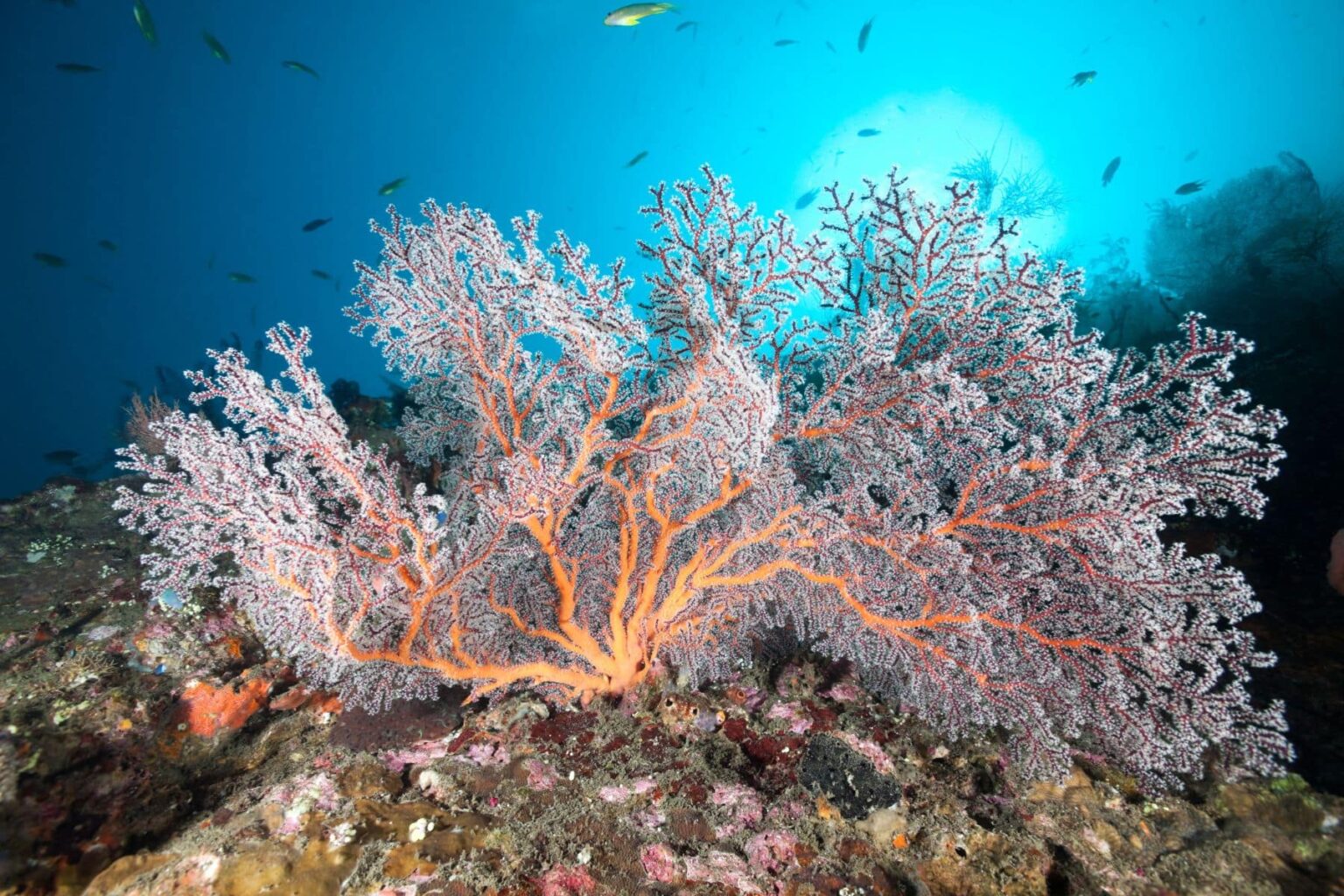
Take an eagle-eyed guide with you, and you may just see a pygmy seahorse hiding in a Gorgonian fan. Rhinopias have also been spotted on this dive site. Divers should expect some current pushing them along the wall, so diving from one of the local fishing boats, known as jukungs, is a good idea.
Highlights:
- Popular drift dive with a chance to see large and small creatures
- Great chance of spotting turtles
- Consider using a local boat
Type: Drift
Skill level: All levels
Access: Boat or shore
Ghost Bay, Amed


Ghost Bay is becoming a prime spot for macro divers and photographers. In fact, some divers spend an entire week diving just this site and taking pictures of creatures that are hard to spot without a magnifying glass.
To the uninitiated, it may seem like they’re diving over nothing but dark sand. However, once your spotter gets going, you’ll be amazed at what you can see. With the right dive guide, muck diving in Amed and Tulamben can be just as rewarding as diving in Lembeh Strait.
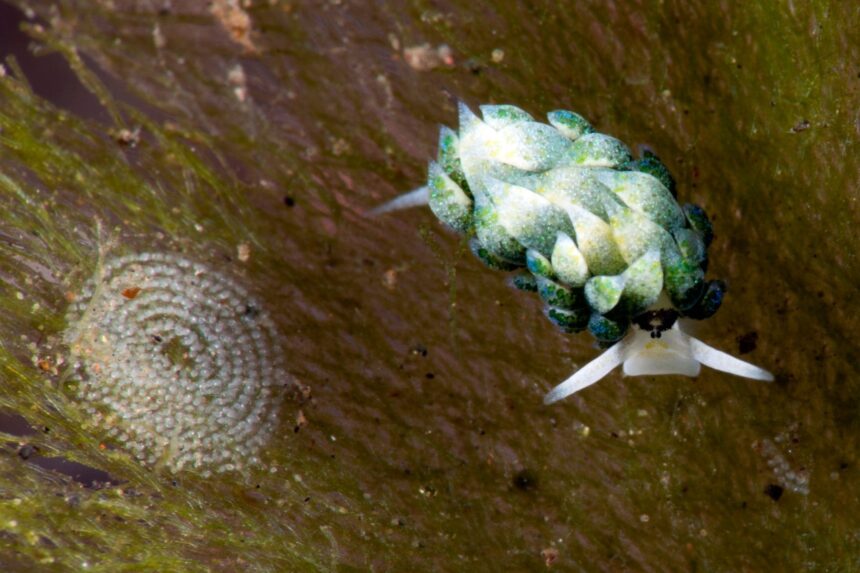
Have you heard of the Shaun the Sheep nudibranch? Scientifically known as Costasiella kuroshimae, this sea slug is hard to spot with the naked eye. It’s a favorite with macro photographers, who often only see whether they captured it when they zoom into their picture on a laptop.
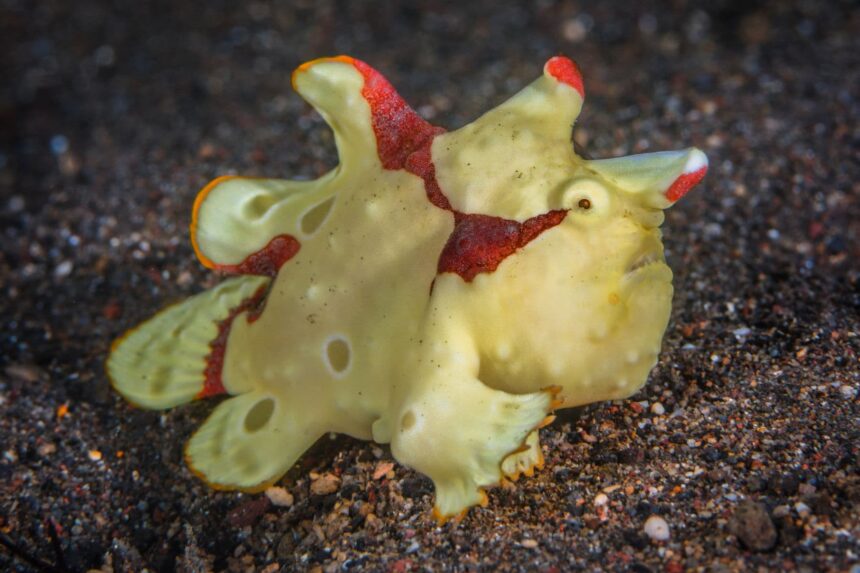
Aside from nudibranchs, this dive site is usually a great place to spot various shrimp species, including skeleton shrimp. Divers also see different frogfish species here. If you’re not looking for tiny creatures, look for snake eels sticking their heads out of the sand. Approach slowly, or they’ll disappear in front of your eyes.
Highlights:
- Macro paradise easily accessible from the beach
- Bring a macro lens for some of the smallest creatures you may ever find underwater
Type: Muck
Skill level: All levels
Access: Shore
Emerald, Tulamben


Mention reef diving in Tulamben, and most divers will have heard of the Drop Off. The Drop Off is the northwestern end of a reef system that spans four dive sites. Named after an abandoned resort project, Emerald sits on its southeastern end.
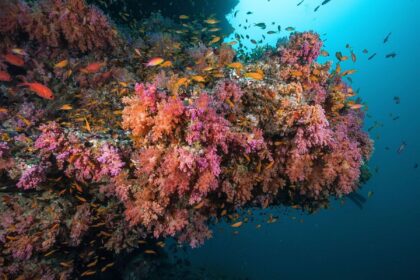
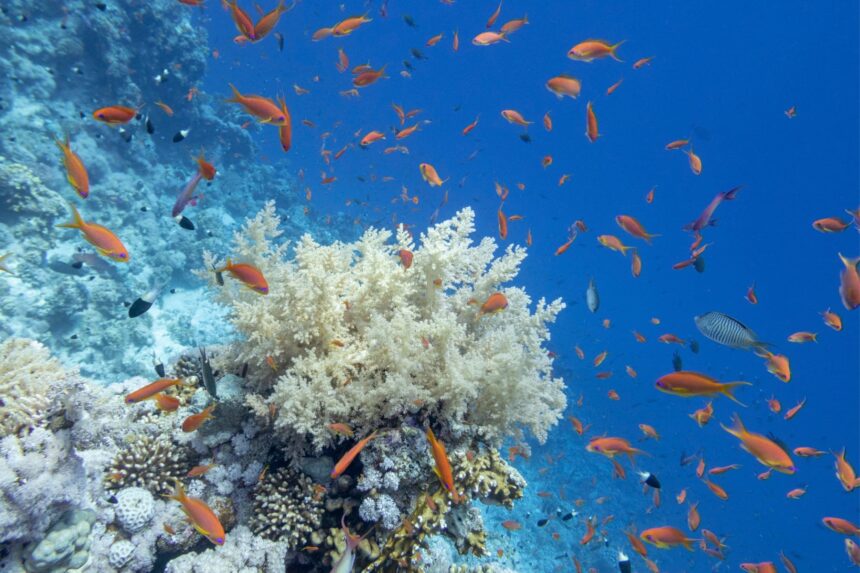
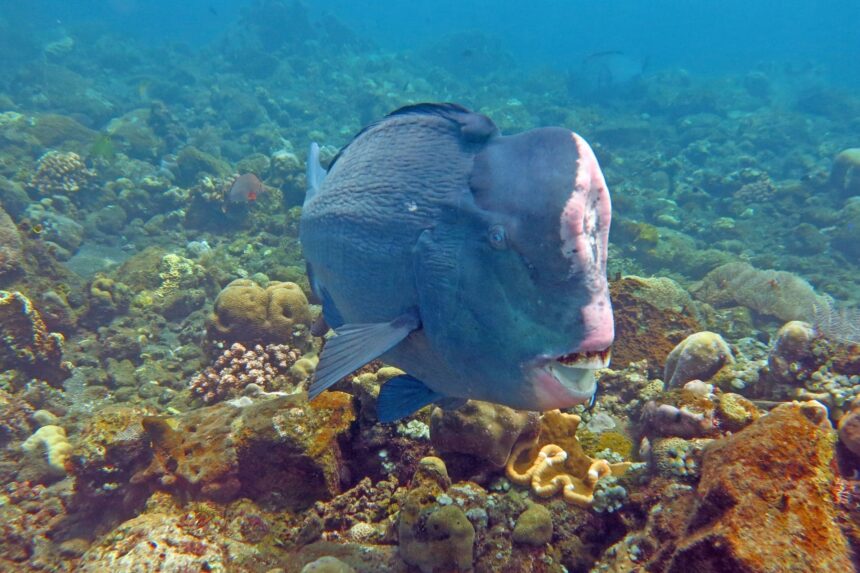
This dive starts from a sheltered bay that is home to a beautiful hard-coral garden. Divers may see bumphead parrotfish in the shallow waters during their safety stop, but the real attraction here is the ridge on the edge of the reef, home to some of the healthiest soft coral in the area.
These beautiful broccoli corals appear in all shades of pink on this reef. You’ll find most of them between 65 and 98 feet (20 and 30 m), where they thrive thanks to nutrients delivered by gentle currents.
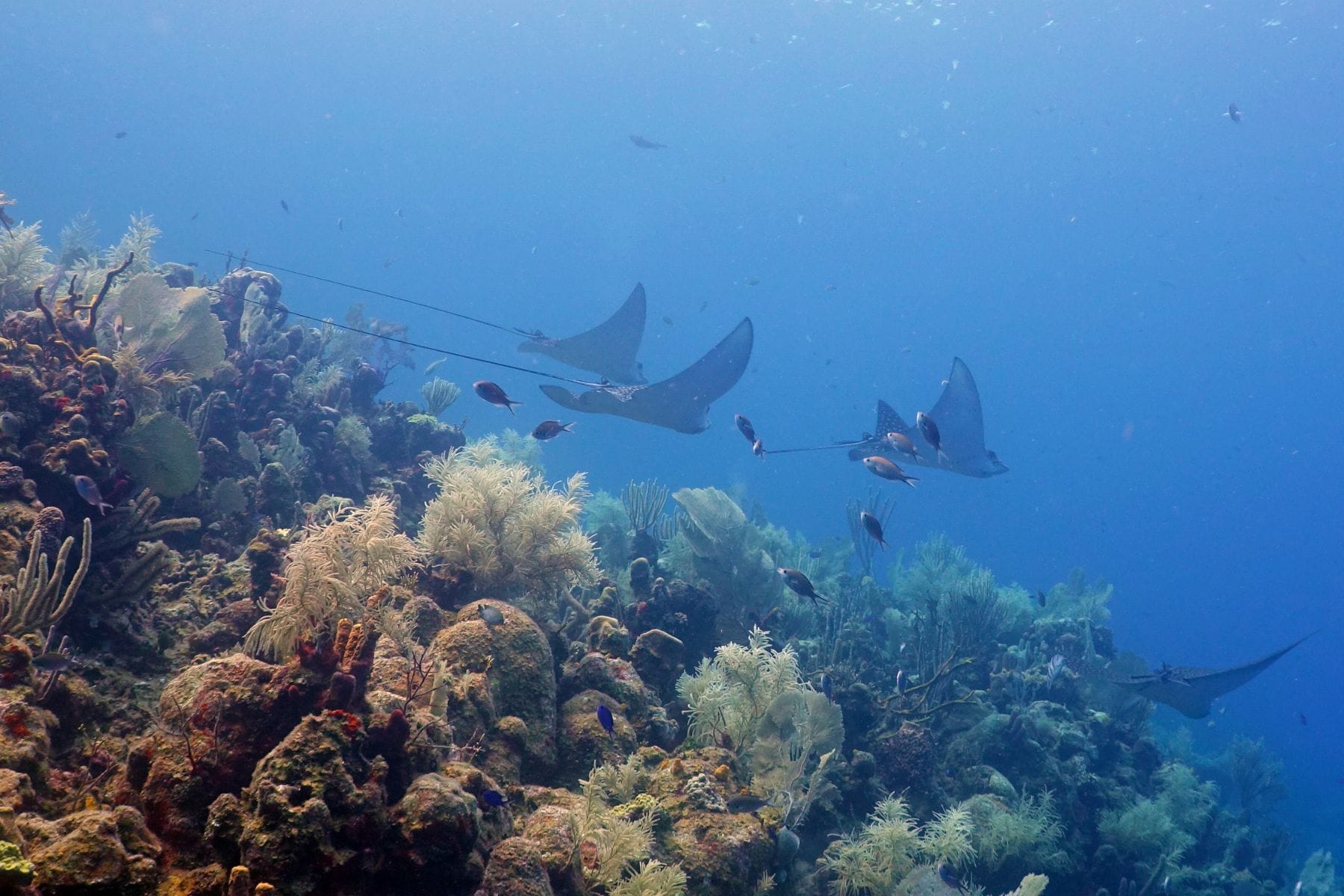
This ridge is also a favorite with passing tunas, and divers regularly spot eagle rays here. Add to that schooling midnight snappers, and it becomes clear why this is such a great reef dive.
Highlights:
- Beautiful reef dive with soft coral cover
- Good chance of seeing pelagic species
- Hard coral garden for your safety stop
Type: Reef
Skill level: All levels
Access: Boat
Seraya Secret, Tulamben


Before Ghost Bay garnered a reputation for outstanding muck diving in the Amed/Tulamben area, Seraya Secret was the muck dive site here, and this sandy slope continues to deliver for macro enthusiasts.
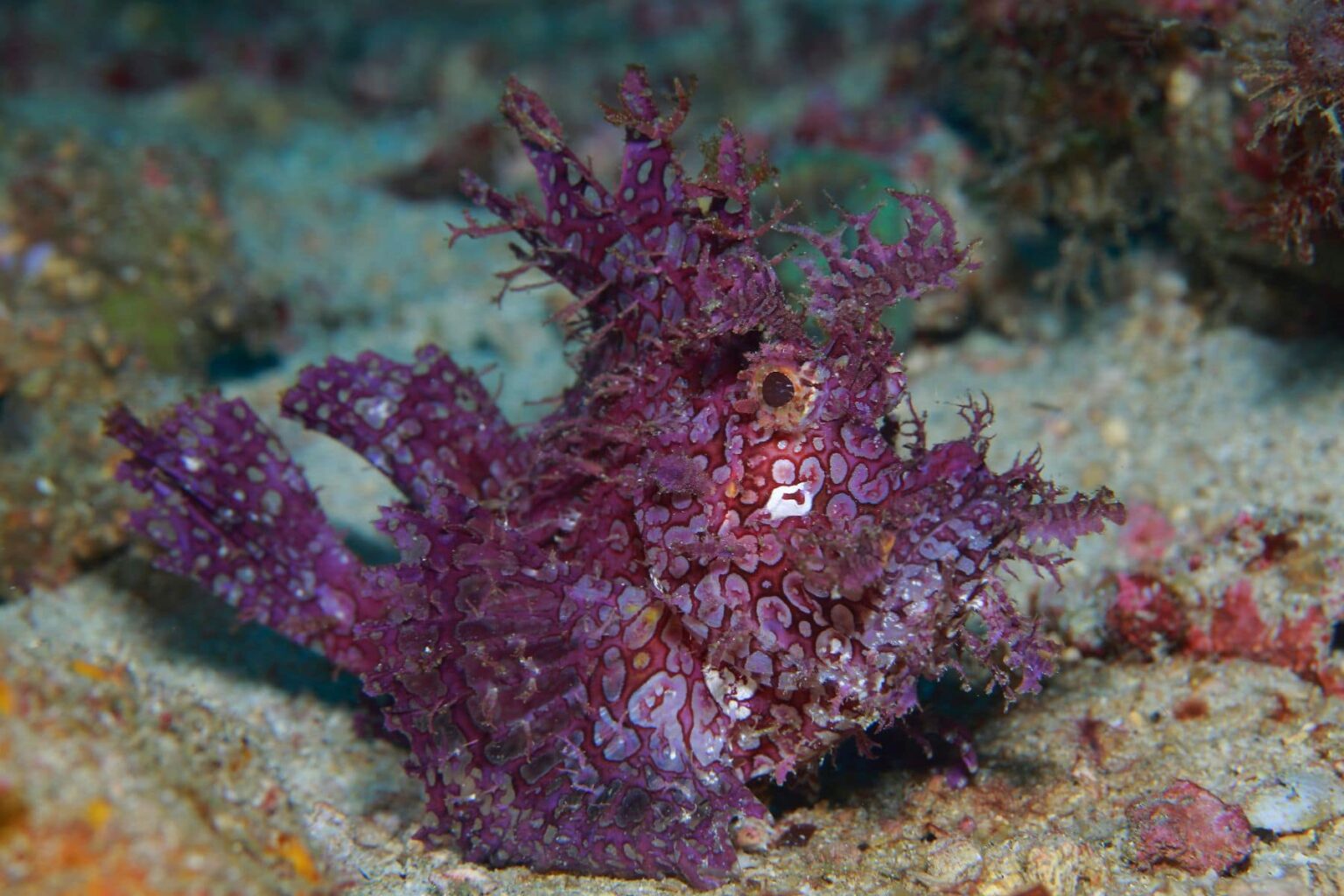
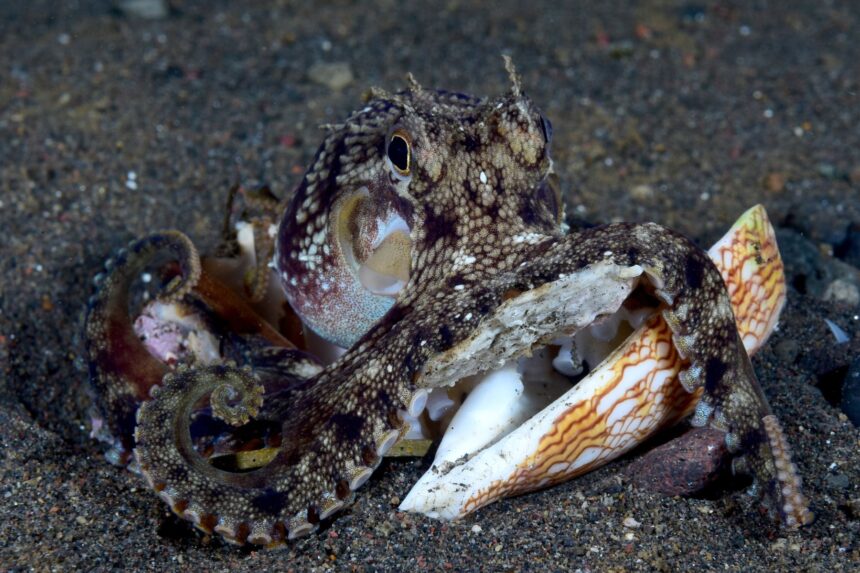
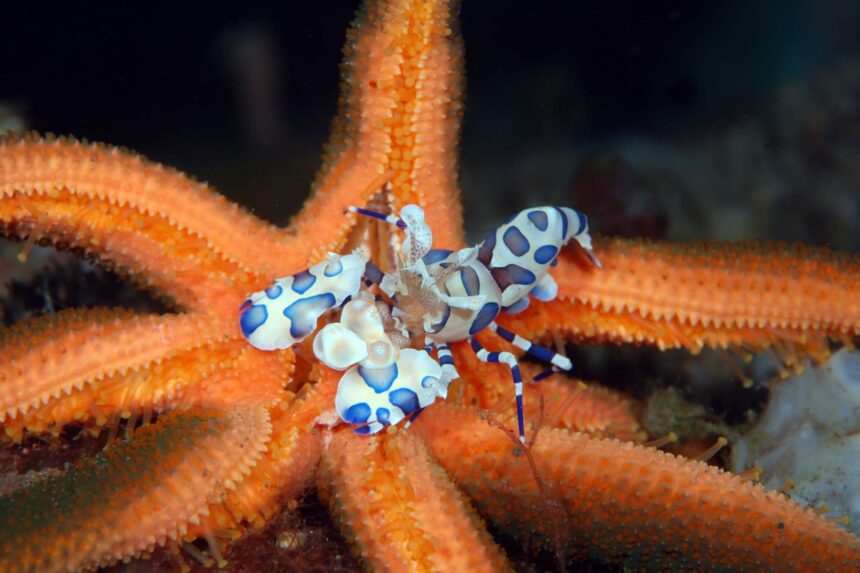
Frogfish, rhinopias, nudibranchs, shrimp—name almost any small marine creature that lives in these waters—and there is a chance that it passes through here at some point in the year. Experienced dive guides will know exactly what to look for and treat their guests to mimic octopuses and plenty of other creatures that are either tiny or masters of camouflage.
Highlights:
- Excellent muck diving on a sandy slope
- Different types of frogfish and rhinopias
- Great for macro photographers
Type: Muck
Skill level: All levels
Access: Shore
West Bali
Eel Garden, Menjangan Island


If you’re looking to dive lesser-known or quieter parts of Bali, head to the northwest of the island. The quiet village of Pemuteran is a great base from which to explore the marine reserve of Menjangan Island. Plus, Pemuteran has its share of excellent dives, too.
Away from the crowds, you’ll discover a more traditional version of Bali with a great chance to have dive sites to yourself.
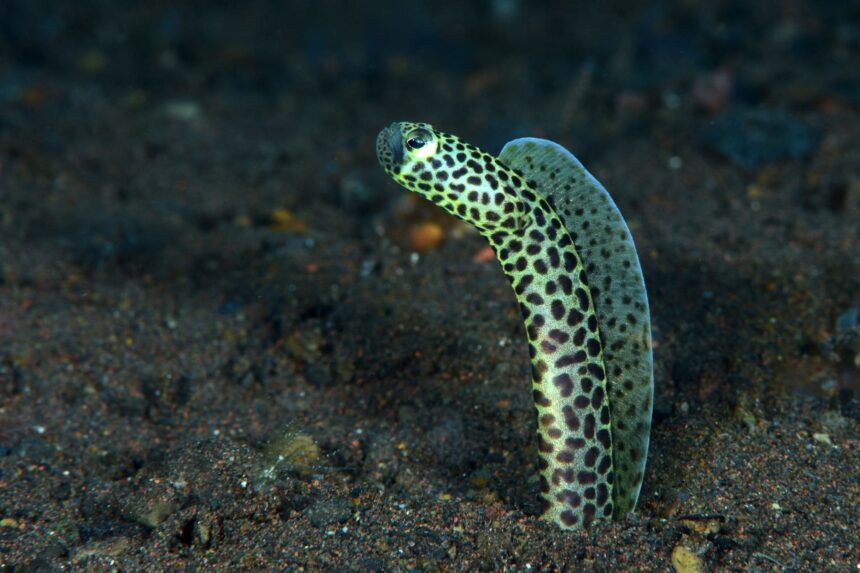
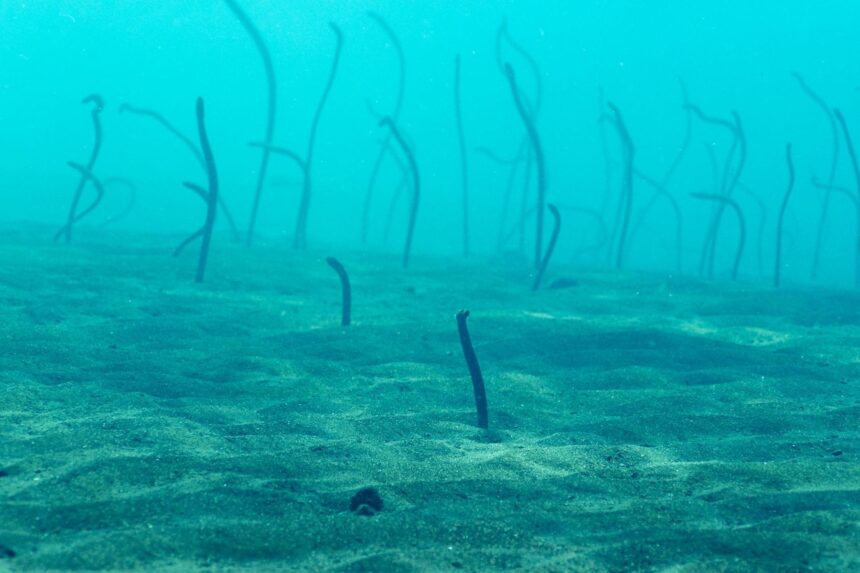
The name of this dive site gives away one of its main attractions—a garden of hundreds of eels. These thin eels are standing out of the sand looking into the direction of the current if there is any. Approach slowly to sneak close to them.
Nearby, the walls of Menjangan Island have some of the healthiest coral reefs in Bali. If you love gorgonian fans, this is the place to see them in all colors ranging from pale yellow to flaming red.
Highlights:
- Hundreds of garden eels
- Escape the crowds to the quietest part of Bali
- Dives on Menjangan Island incur a marine park entrance fee
Type: Wall
Skill level: All levels
Access: Boat
Anker wreck, Menjangan Island
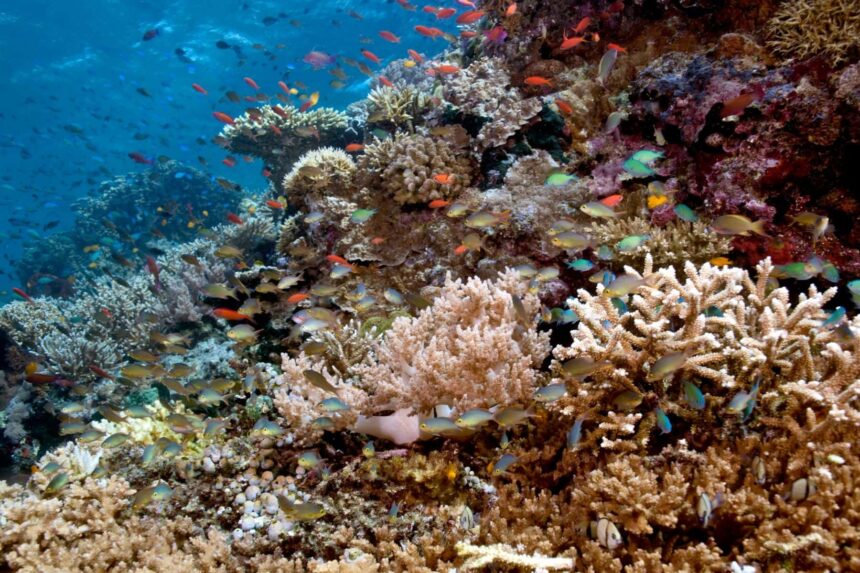


The Anker wreck is one of the deeper dives around Menjangan. It’s named for a large, rusty anchor that sits at the top of the reef wall at around 20 feet (6 m). The wreck itself is a small 19th-century wooden ship. Its history is not well known, although some people believe that it sank during World War II. Today, its parts are strewn across the sea floor between 98 and 130 feet (30 and 40 m).
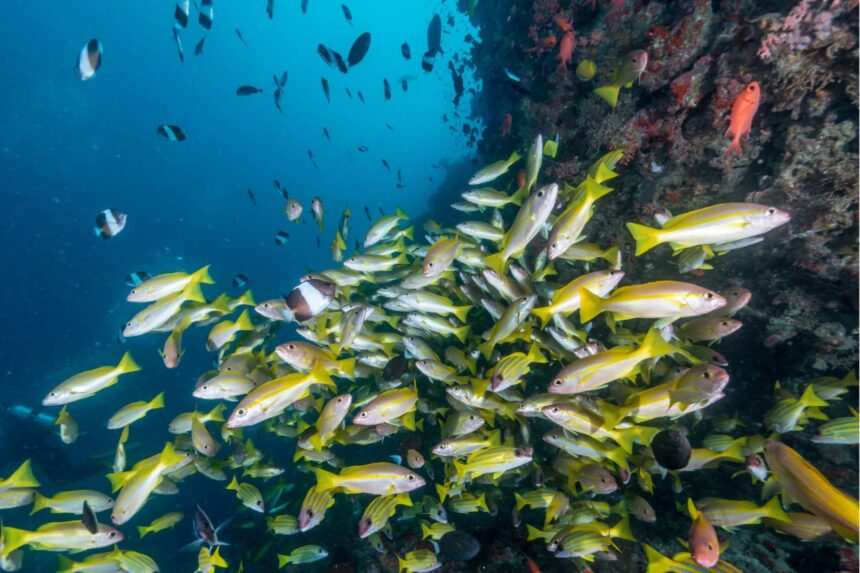
Even though this dive site is named after a wreck and divers will encounter wreck parts and cargo, the main attraction here is the wall. Schooling yellow snappers call this reef home, and you’ll have a good chance to spot a green turtle and reef sharks, too. Don’t forget to look into the overhangs and crevices along the wall as you ascend.
Highlights:
- Wooden wreck parts and some cargo to explore
- Schooling reef fish along the wall
- Large anchor at the top of the reef
Type: Reef and wreck
Skill level: All levels
Access: Boat
Temple Garden, Pemuteran

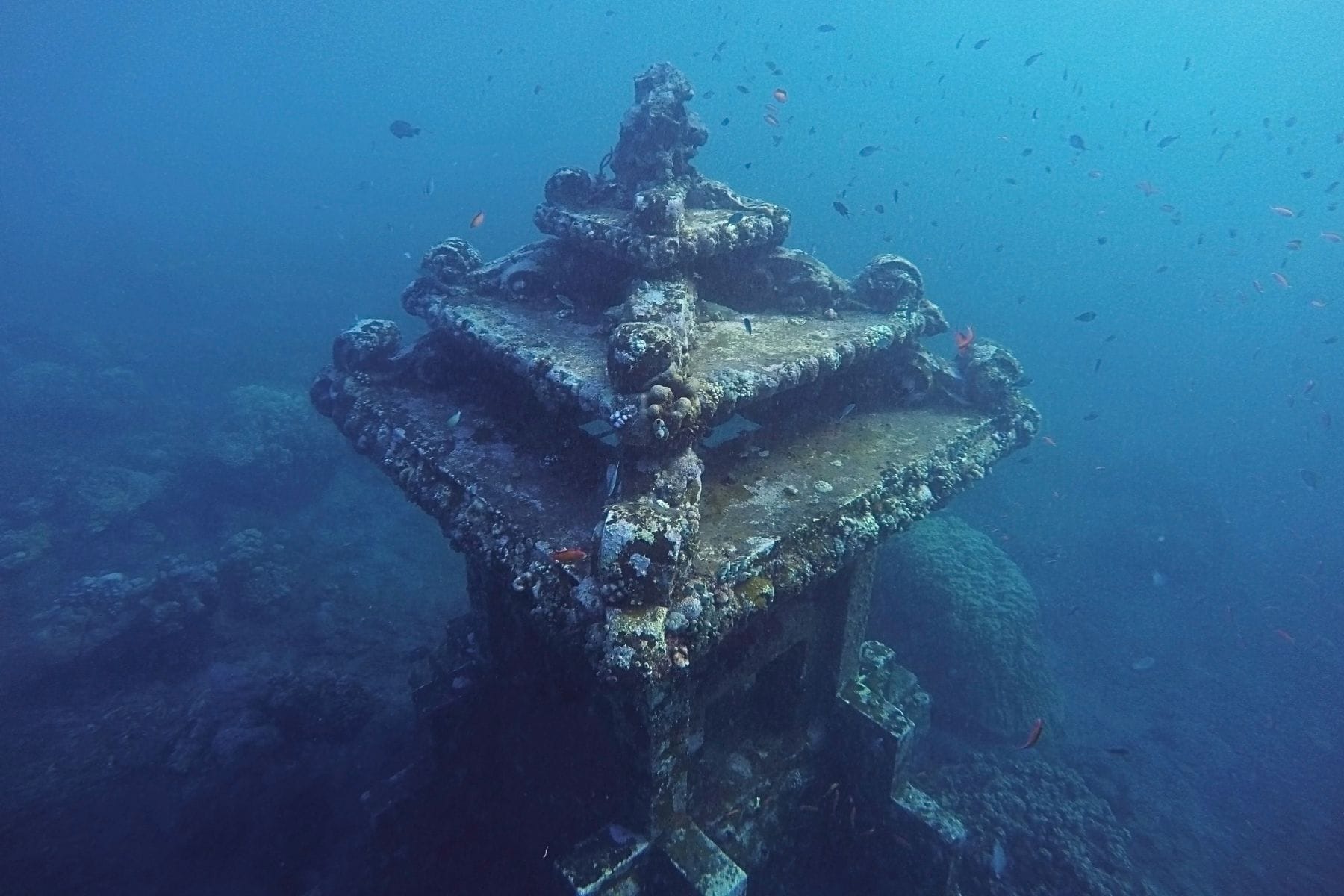
If you’re in the area but don’t necessarily want to pay the marine park fee, check out the dive sites of Pemuteran. Temple Garden sits around 100 feet (30 m) on Temple Wall. The garden is largely manmade, with statues of the Buddha, Ganesha, and a selection of sea creatures placed here to encourage coral growth and attract marine life.
Like other artificial reefs in Bali, Temple Garden has been a success. The statues are now overgrown with hard and soft corals. They also attract and provide shelter for schooling reef fish. In addition, cleaner shrimp have set up shop here, giving divers plenty to see.
Because of its proximity to Pemuteran Bay, Temple Garden may have limited visibility. If that’s the case on your dive, focus on the smaller critters in the statues’ nooks and crannies.
Highlights:
- Beautiful statue garden in 100 feet (30 m)
- Hard and soft corals
- Small critters hiding
Type: Reef dive
Skill level: All levels
Access: Boat
Lombok Strait
Crystal Bay, Nusa Penida
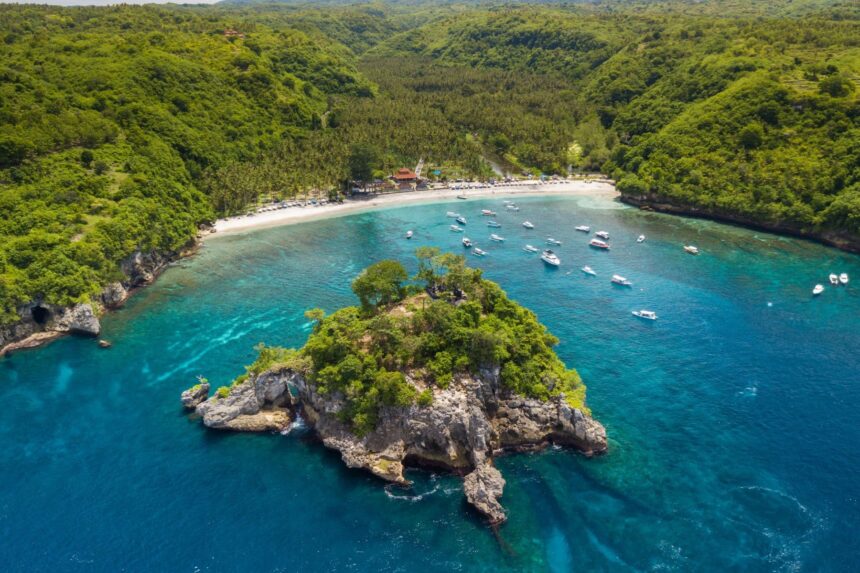
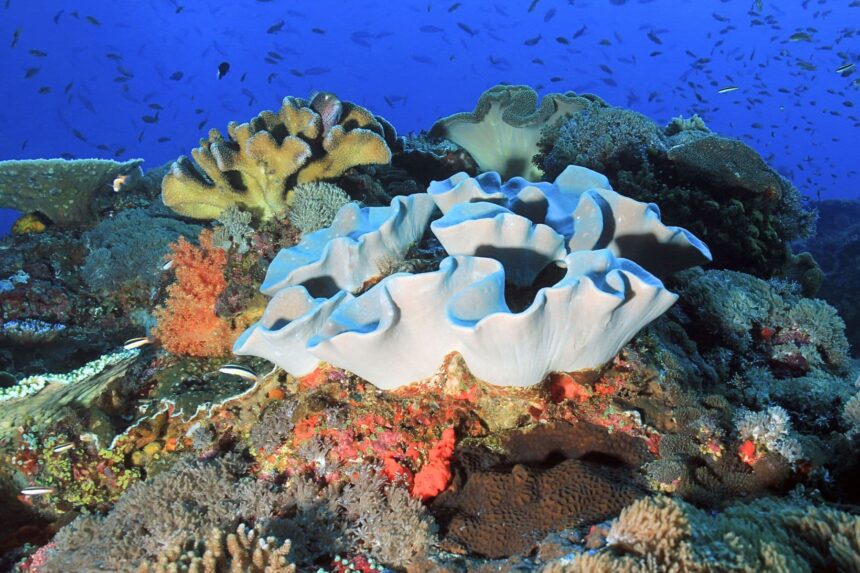


The Lombok Strait is the body of water between the islands of Bali and Lombok. The small islands of Nusa Penida and Nusa Lembongan lie right in the middle of the strait. The water here runs fast, and currents can be strong. Those conditions bring in some of the largest species divers can see anywhere around Bali.
Crystal Bay in Nusa Lembongan is one of the sites prone to strong currents. It’s also one of the few dive sites on Bali where divers need to watch out for down currents, but there are ample rewards for that.
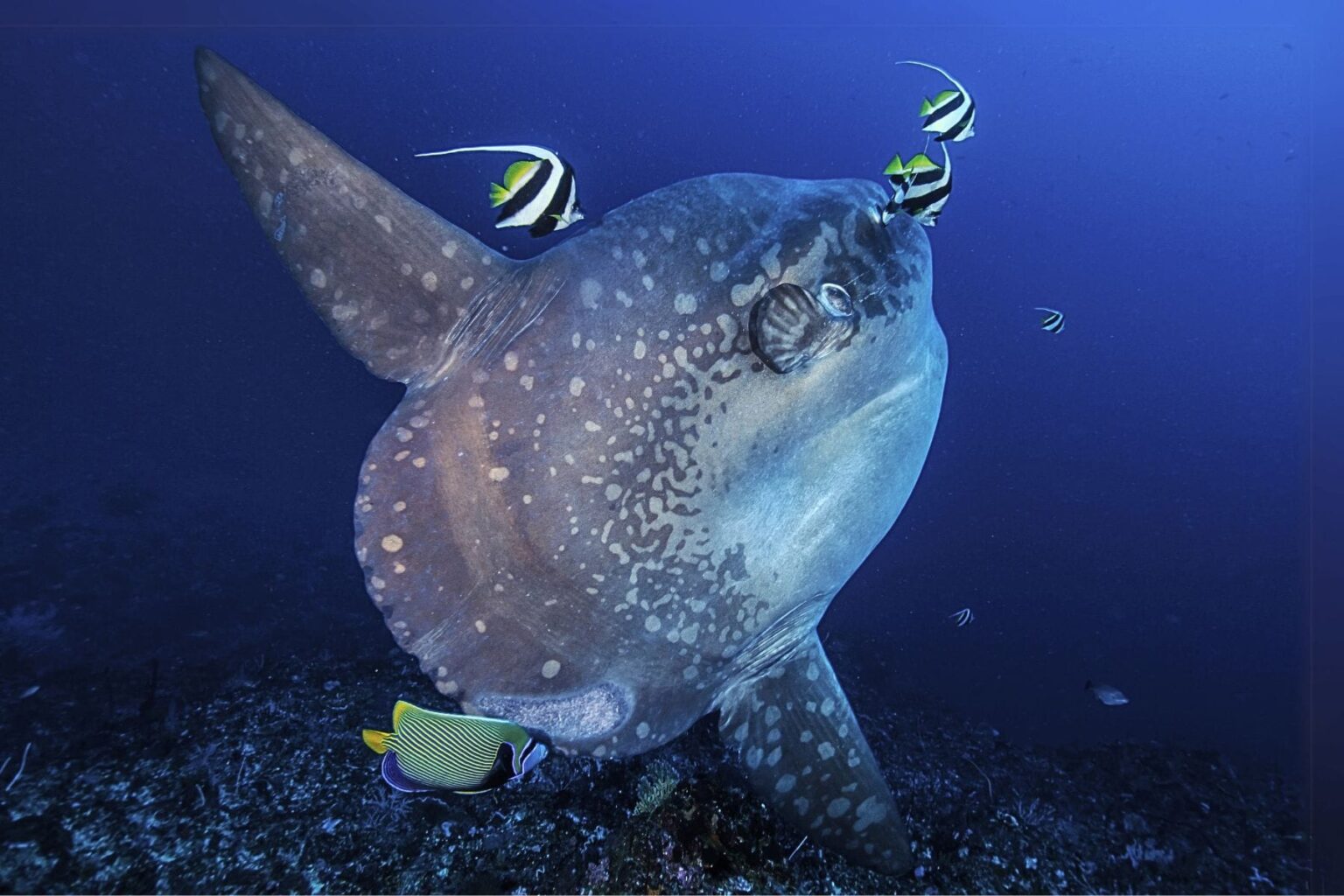
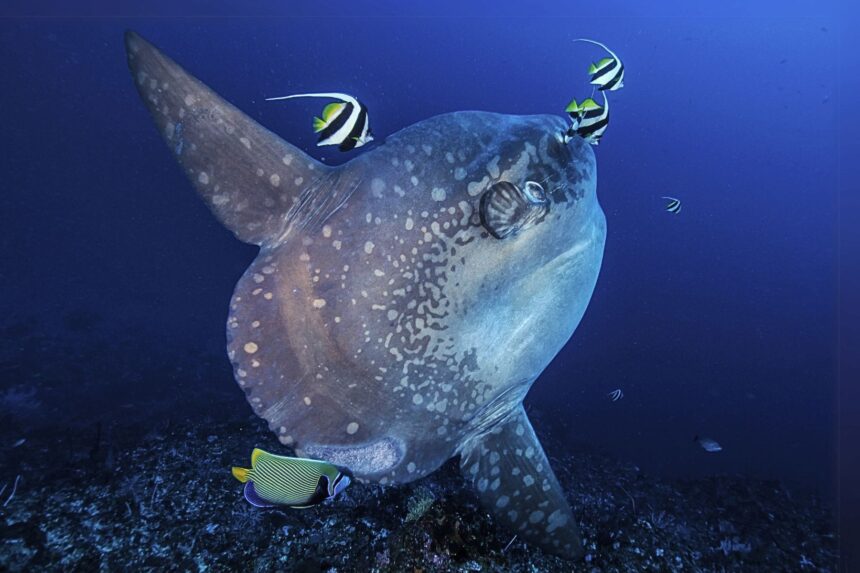
This dive site is most famous for mola mola (giant sunfish), which can be seen here from July to October. During that time, the sea temperatures drop, and the sunfish come shallower to be cleaned by reef fish.
The dive is named for the crystal-clear bay adjacent to it. Conditions in the bay are generally easy, but as divers head out they’re more likely to encounter currents—and mola mola. If you’re somewhat experienced and comfortable with currents, this dive is not to be missed.
Highlights:
- Chance to dive with mola mola during the season
- Prepare for currents
Type: Wall/drift
Skill level: Intermediate to advanced
Access: Boat
SD Point, Nusa Penida
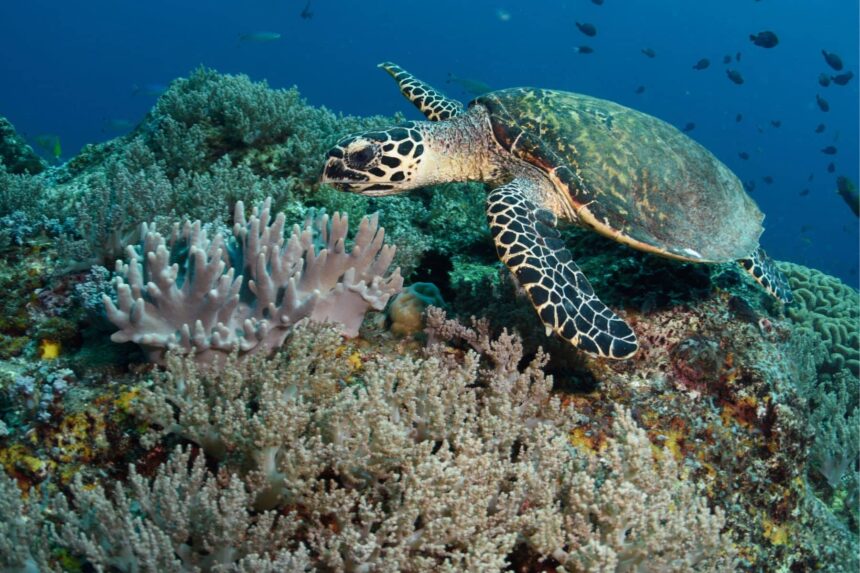
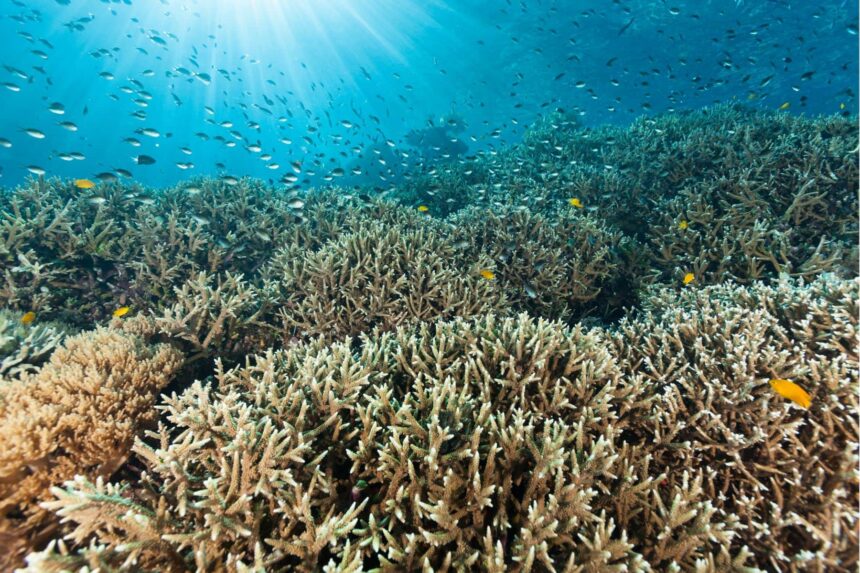
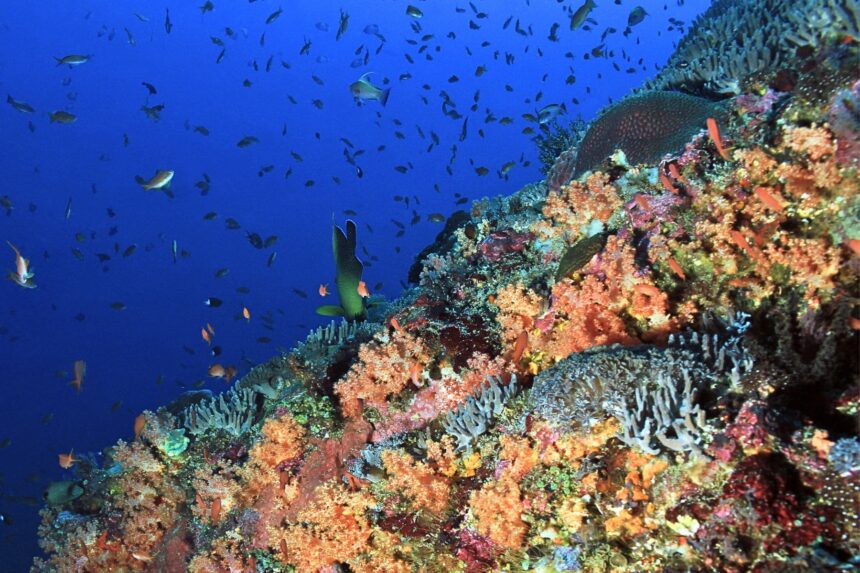


The reefs around the north coast of Nusa Penida are sitting right in the middle of what is called the Indonesian Throughflow, an ocean current that brings water from the North Pacific to the Indian Ocean.
It’s one of the greatest volumes of water moving worldwide, carrying tons of nutrients. Those nutrients are responsible for a great variety of flora and fauna all along this coast. SD Point is one of the best dive sites in this area if you love drift diving.
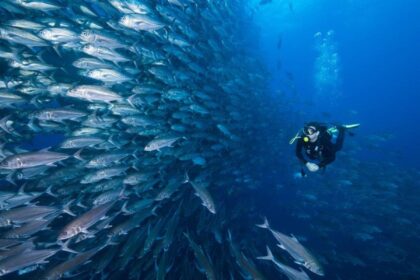
Get ready to fly by a selection of hard and soft coral surrounded by schooling batfish and giant trevallies sweeping in from the blue to hunt. Pufferfish, angelfish, and boxfish all abound. If the current slows down, you’ll have a chance to see mantis shrimp and nudibranchs, too.
Highlights:
- Stunning drift dive
- Outstanding variety of marine flora and fauna
Type: Drift
Skill level: All levels (must be comfortable with current)
Access: Boat

Manta Bay and Manta Point, Nusa Penida
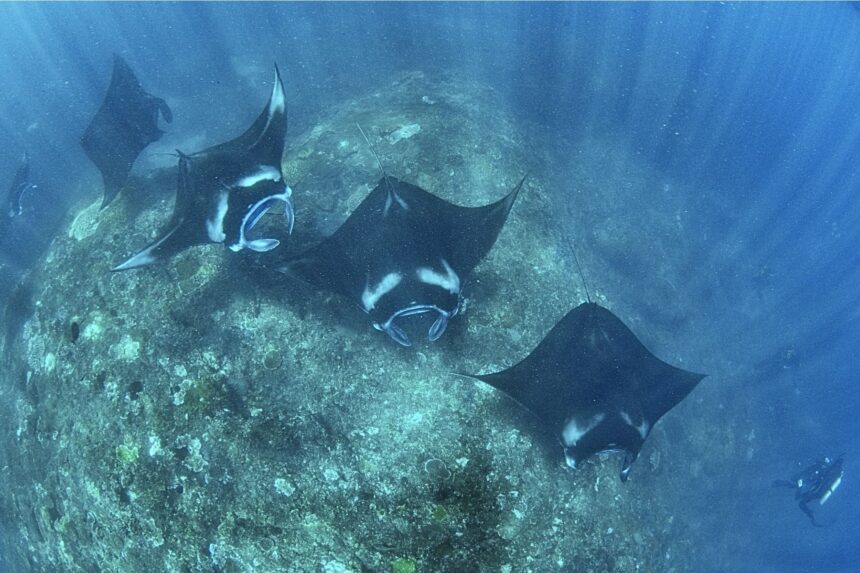
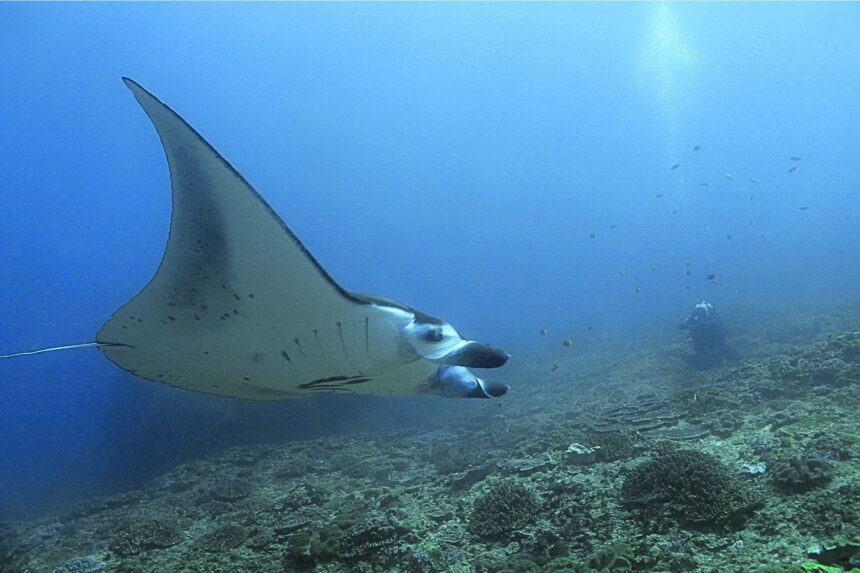


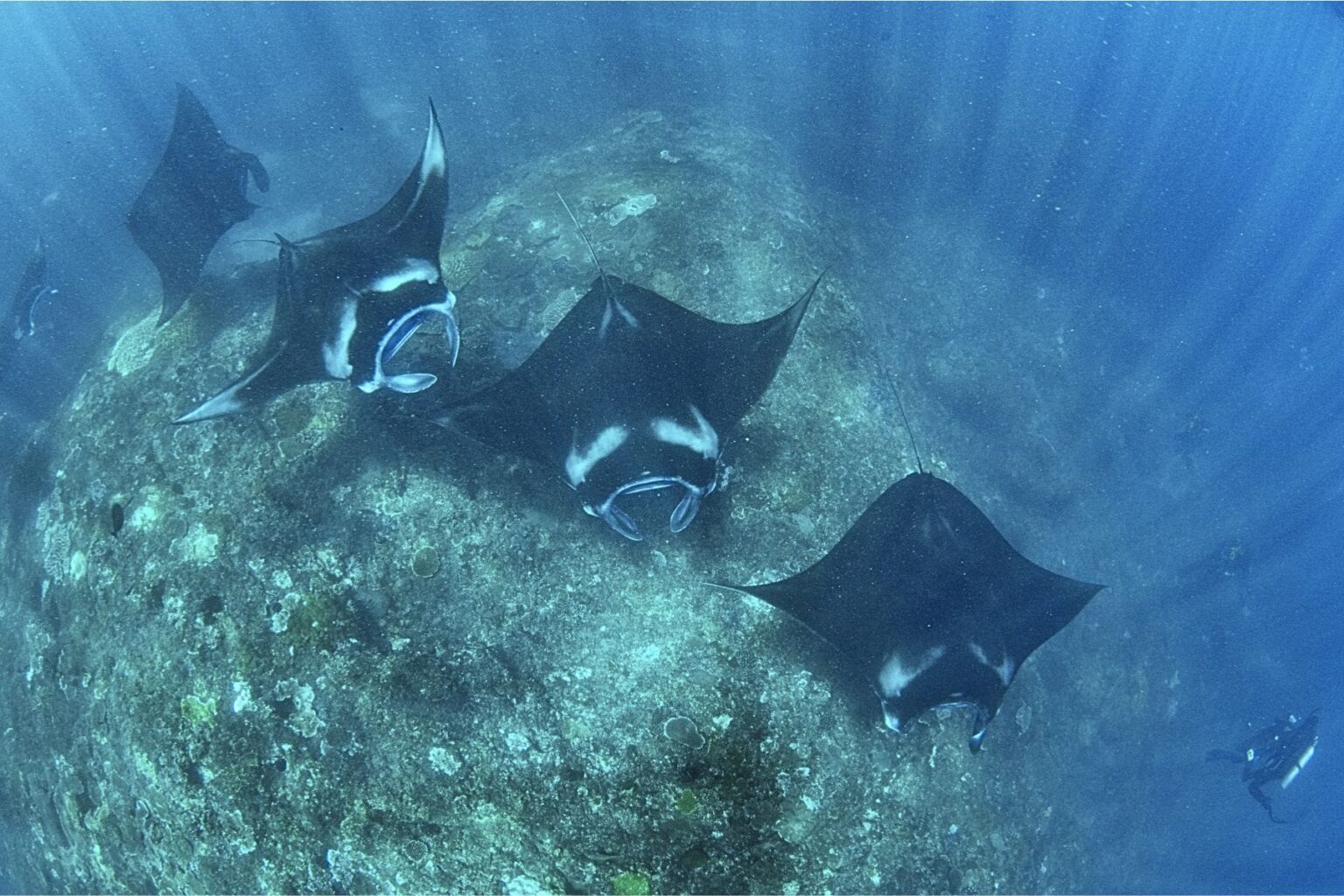
Diving and snorkeling with manta rays is an unforgettable experience. In Bali, divers are almost guaranteed to see these gentle giants year-round in Manta Bay or Manta Point. As if that was not enough for a memorable dive, these dive sites are home to other exciting species as well.
It’s perfectly okay to spend your entire dive hanging with the mantas. Because the sites are cleaning stations, divers will often see the same animals circling above their heads several times. Stay still and wait for the mantas to come to you. A little patience yields big rewards here.
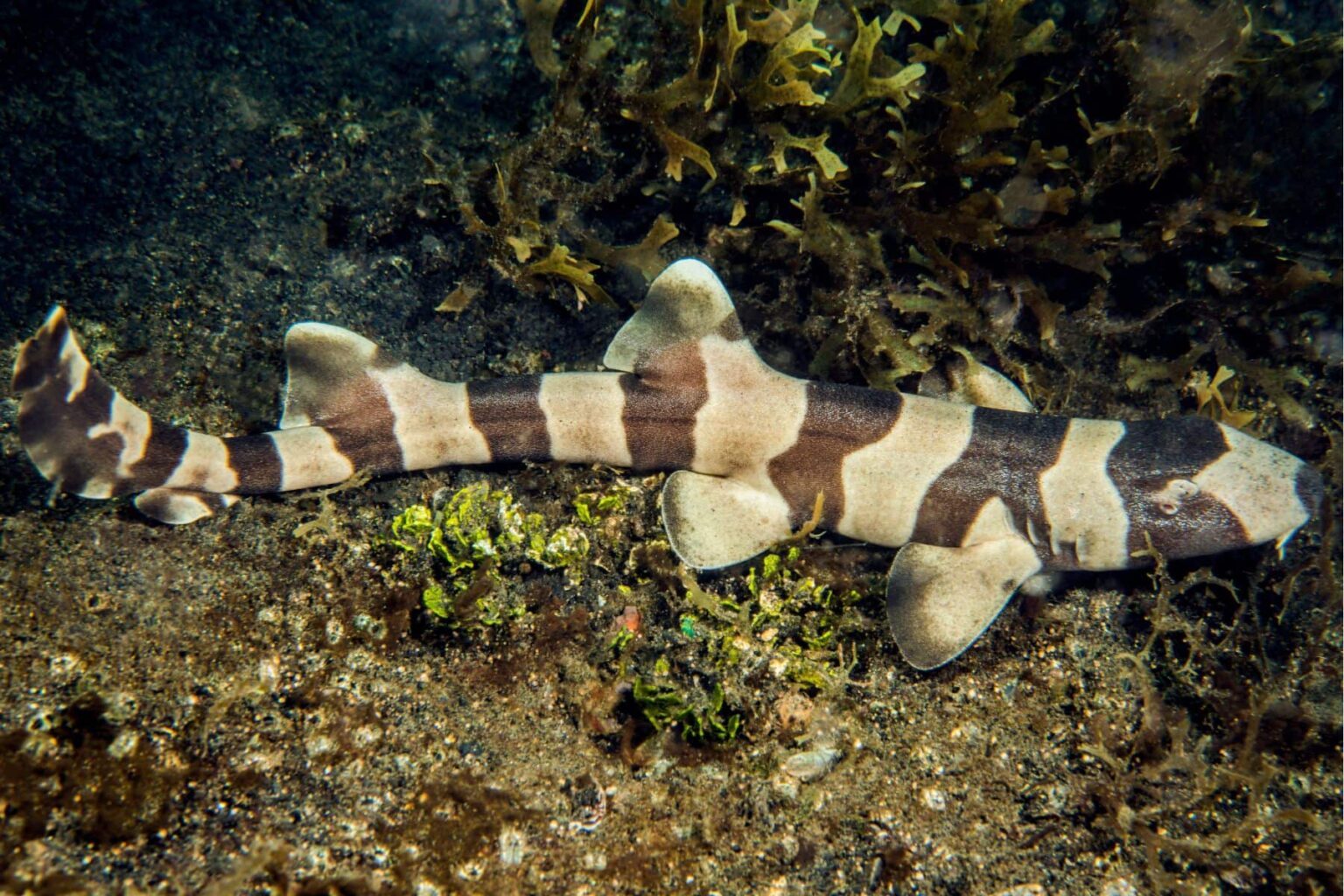
If you have time, look at the reef around you. Not only will you see hard and soft coral species that are hard to find in other parts of Bali, but you might just be lucky enough to spot a wobbegong or a bamboo shark hiding under a coral head.
Highlights:
- Year-round chance to dive with manta rays
- Great for snorkelers and freedivers
Type: Reef
Skill level: All levels
Access: Boat
Gili Mimpang and Gili Tepekong, Lombok Strait
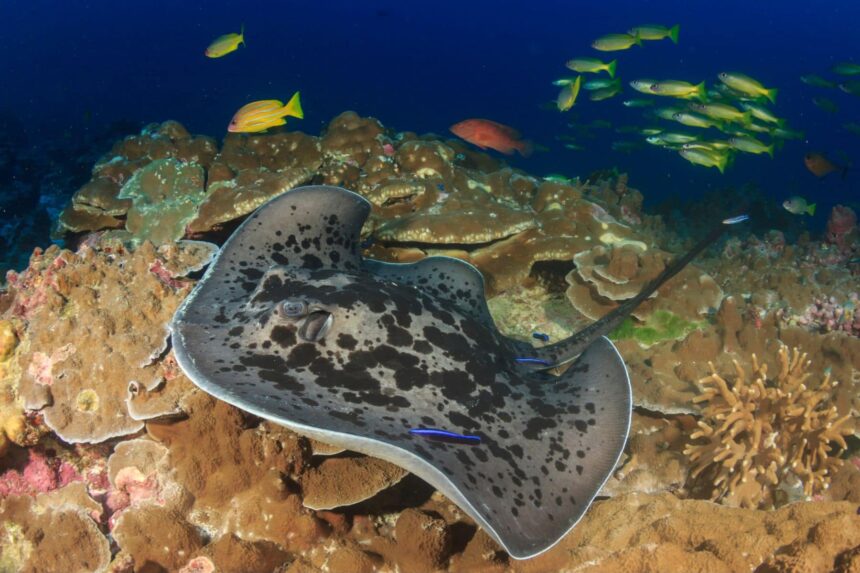
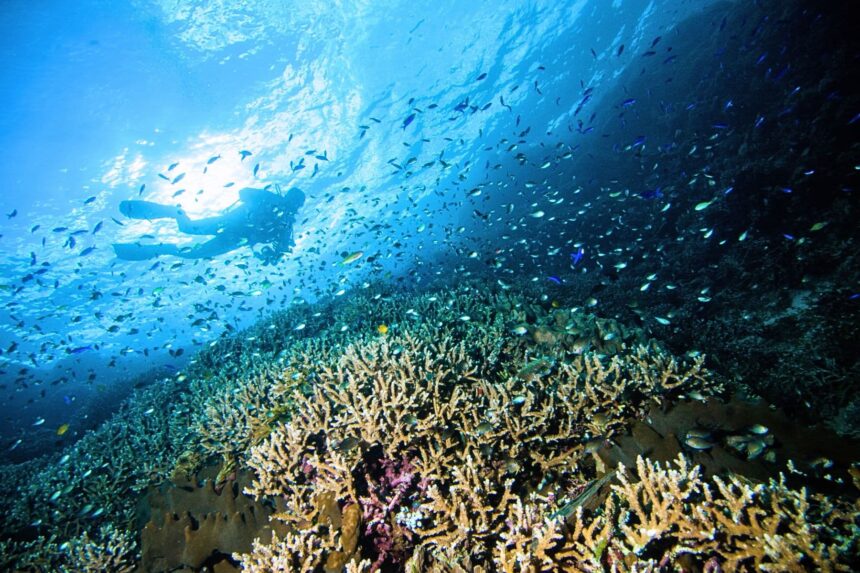


From a distance, these “islands” look like nothing more than small rocks sticking out of the sea off the coast of east Bali. Like Nusa Lembongan and Nusa Penida, they’re right in the Indonesian Throughflow, creating some of the richest reefs in the area.
Gili Mimpang and Tepekong are dive sites for experienced divers and should only be dived with a knowledgeable guide who understands the currents and schedules dives accordingly.
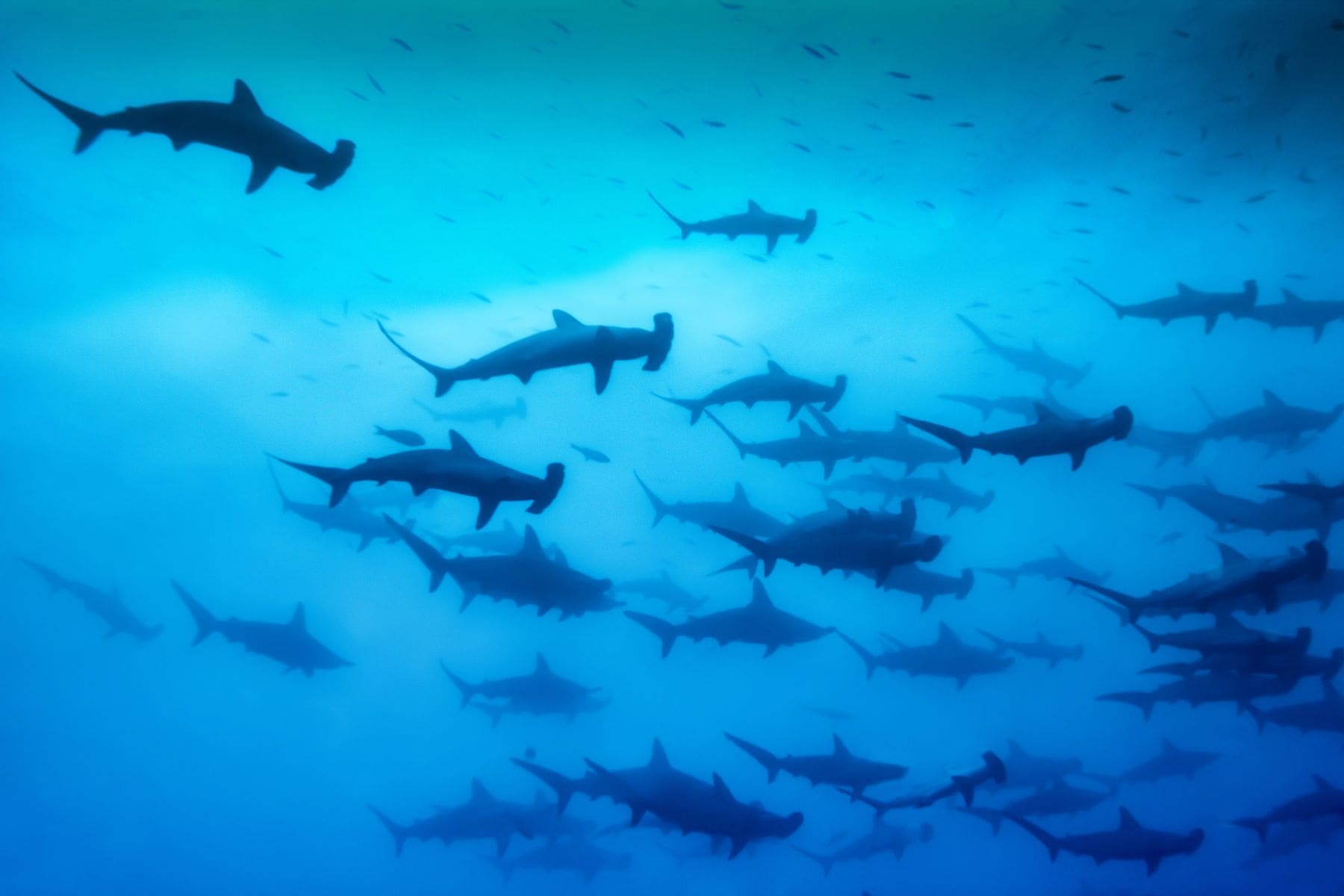
Mola molas without the crowds of Crystal Bay, untouched reefscapes, and stunning topography are all part of the allure of these islands. Because of the currents running through the Lombok Strait, divers have a great chance of encountering pelagic species.
Highlights:
- Mola molas and other pelagic species
- Untouched reefs
- Beware of the currents
Type: Pinnacle/reef
Skill level: Advanced
Access: Boat
About Bali
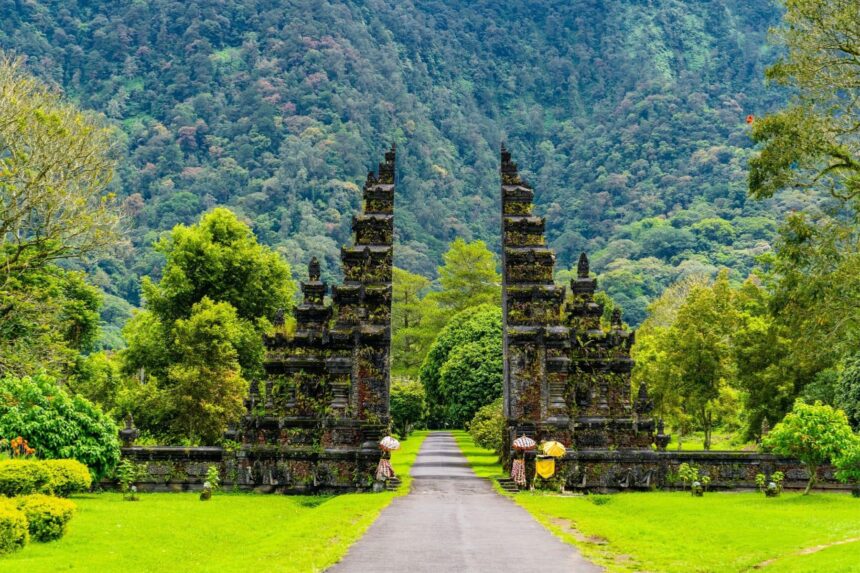
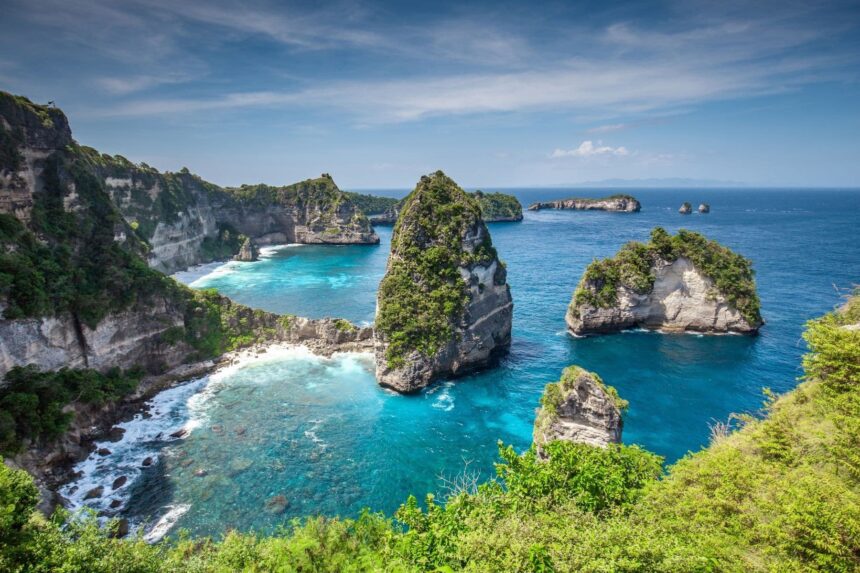


Bali is a year-round destination with dive sites to suit all levels of diver, from novices to experienced technical divers, and all interests. Whether you enjoy flying past reefs in fast currents or prefer to spend your dive looking at a sandy slope for tiny creatures, Bali has dive sites to suit your taste.
Add to that the high frequency of international flights from all over the world and the appeal becomes even more apparent. Although Bali has a rainy season from December to March, it rarely rains all day.
As a predominantly Hindu island in a Muslim country, Bali is rich in culture and history. Barely a week goes by without colorful ceremonies, and divers are generally welcome to attend and learn more about the country.
Hi Herbert,
Depends on the resort you chose. I think there are resorts in Bali that are open now, so yes you can if you can get there.
Can I do my quarantine at this dive resort? I’ve been vaccinated
Sanur is a great base, give you a lot of options to chose from. There’s a bit of travel to the dive spots, but there are many options. Yuu can also choose further up the eastern shore at Padangbai or Tulamben.
Where is a good place to stay and dive.Something inexpensive and close to all the best dive sites.