







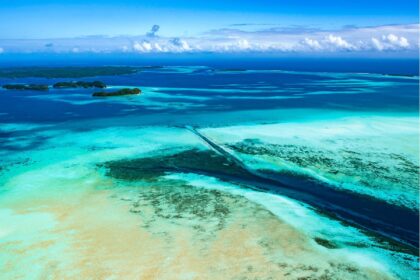


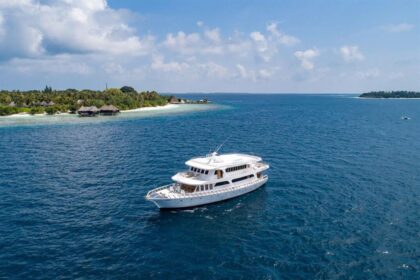












In the southern Red Sea, about 60 miles off the Egyptian coast near El-Quseir, two tiny islands rise from the deep: the Brothers Islands. Remote, wild, and only accessible by liveaboard, these are among Egypt’s most legendary dive destinations.
Big Brother & Little Brother
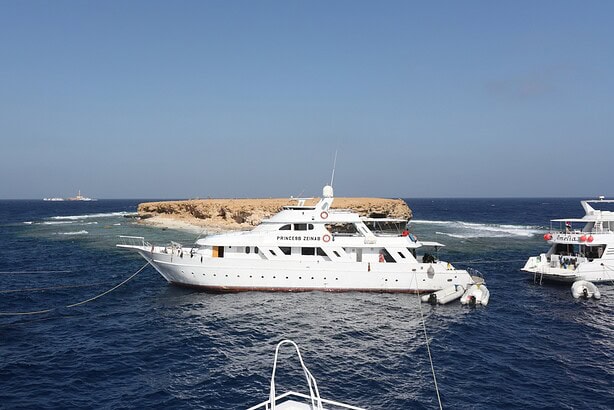
The larger island—Big Brother—stretches only 1300 feet (400 m) long. Its only residents are a crew of rotating Egyptian soldiers, fulfilling tours of duty by manning the lighthouse. Just north lies Little Brother, even more compact, but equally famous among divers.
These islands aren’t your typical sandy islets. They’re true pinnacles, dropping vertically into hundreds of feet of water. No lagoons, no beaches—just sheer walls covered in coral.
Why Divers Love the Brothers


The Brothers Islands, about 40 miles (60 km) off the Egyptian coast, offer some of the most exciting diving in the Red Sea. Their remote location means they’re constantly swept by strong currents, which feed the reefs and keep them vibrant. Visibility regularly reaches 100 feet (30 m) or more, giving divers sweeping views of sheer walls and open blue water.
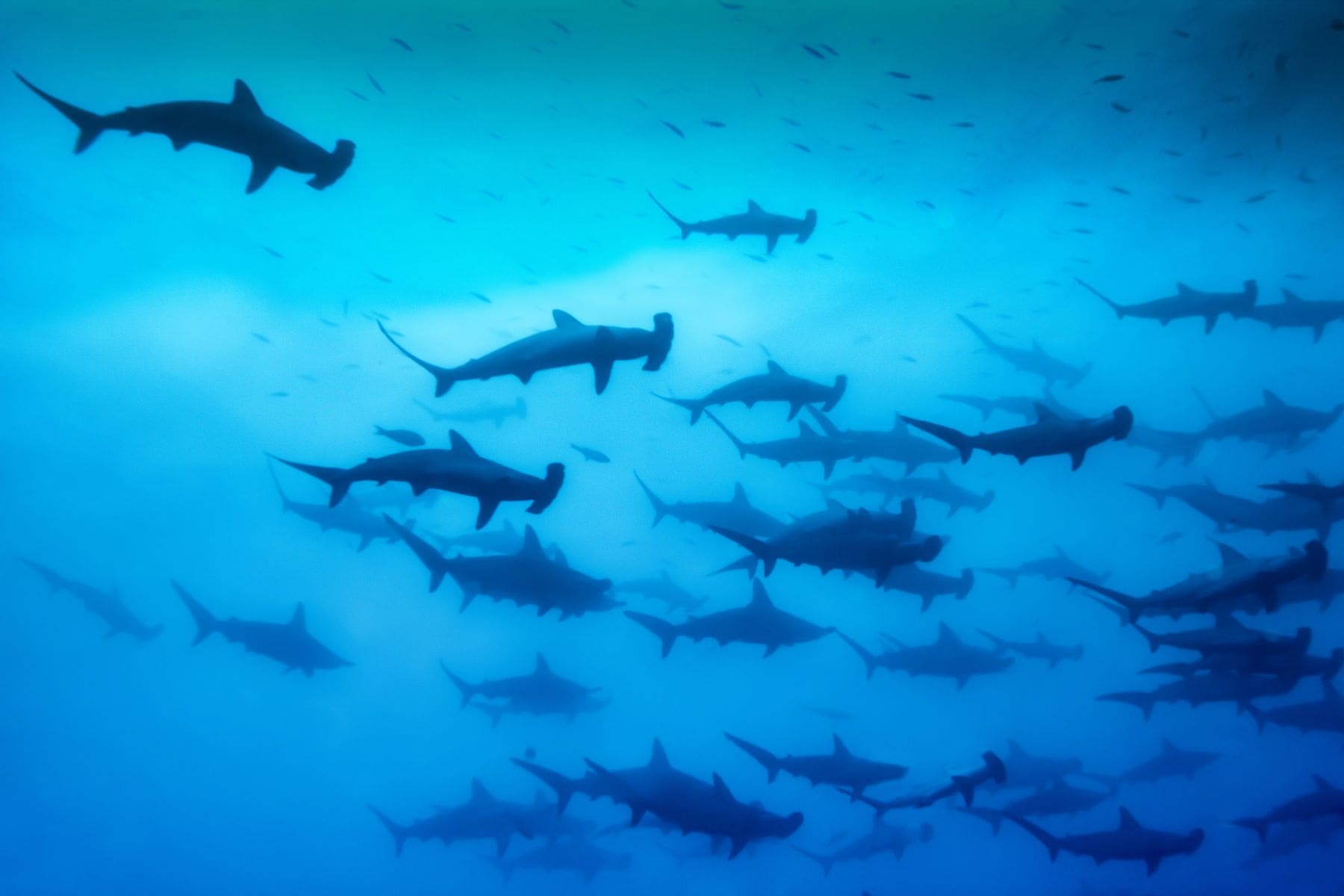
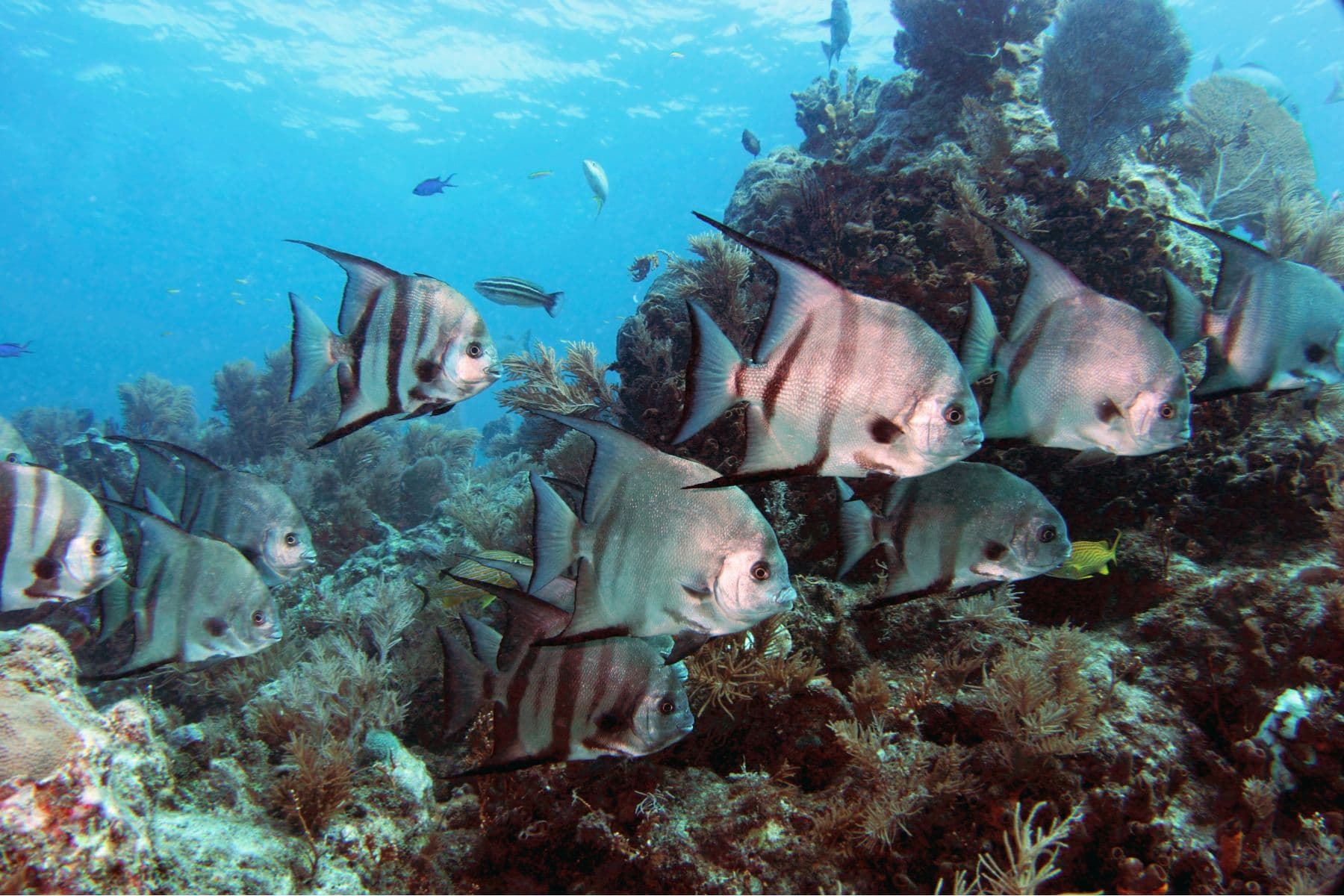
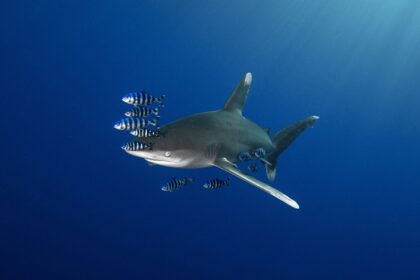
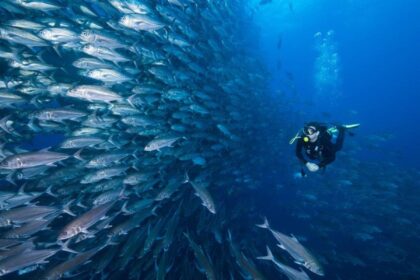
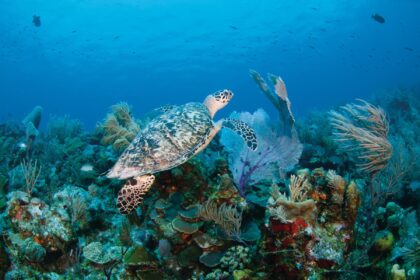
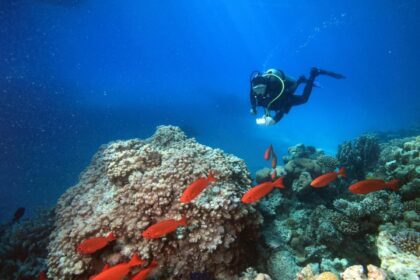
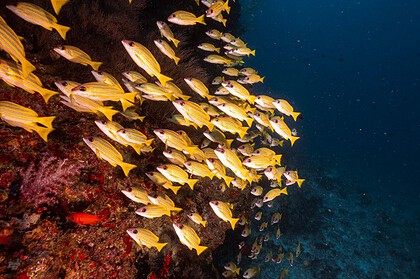
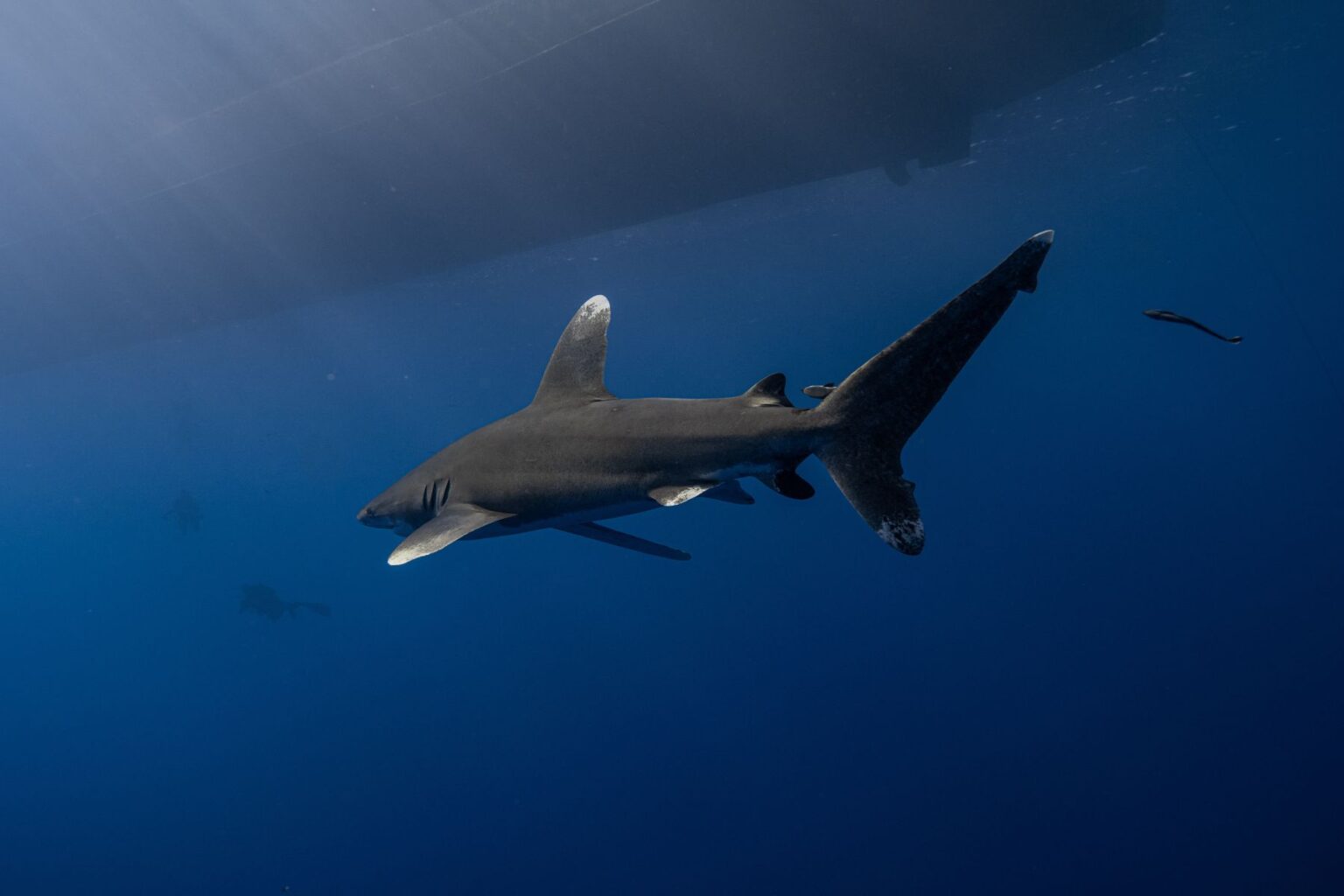
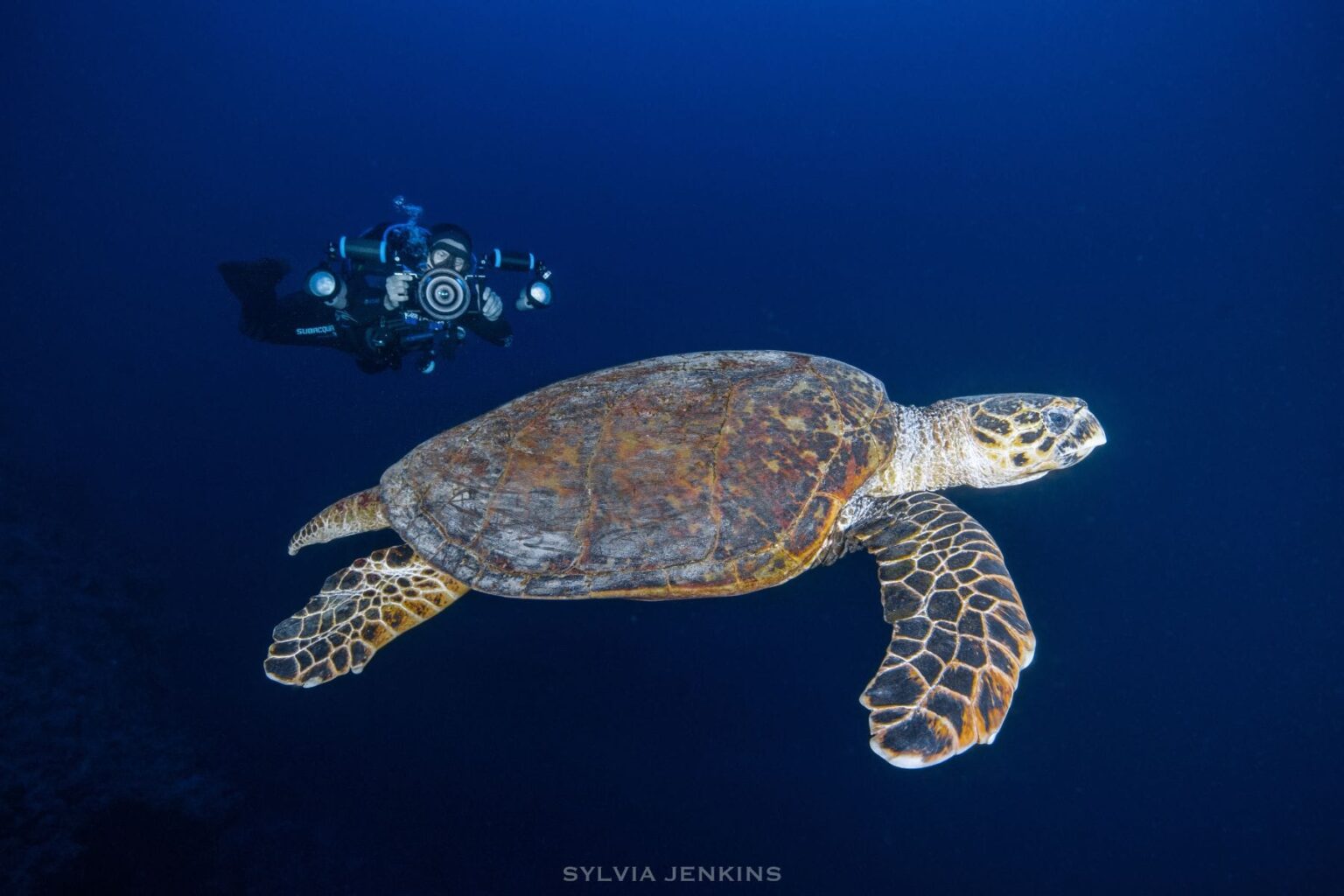
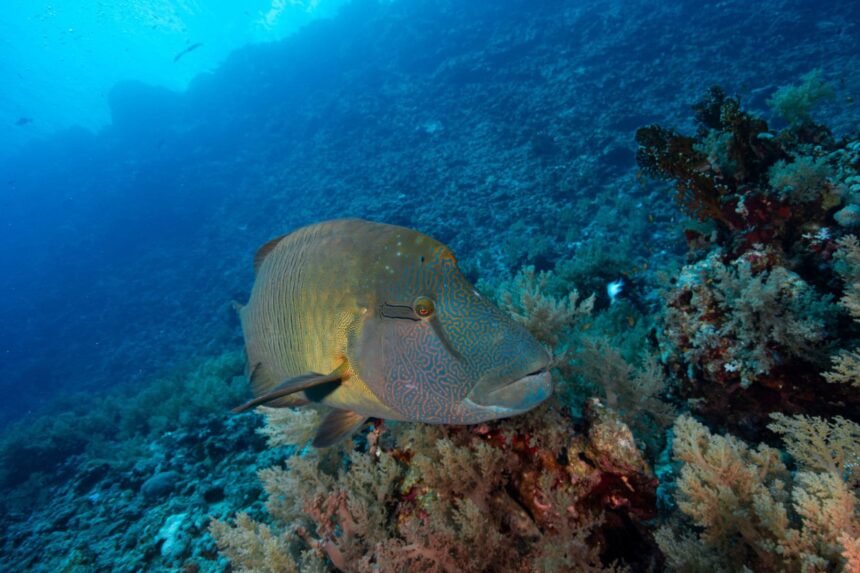
Marine life is a major highlight. Oceanic whitetip sharks are a signature sight here, often cruising close to divers. Hammerheads, threshers, and gray reef sharks are also regularly spotted in the area, while schools of tuna and barracuda hunt along the walls. On the reef itself, anthias swarm above colorful corals, with morays, napoleon wrasse, and the occasional turtle adding variety to every dive.
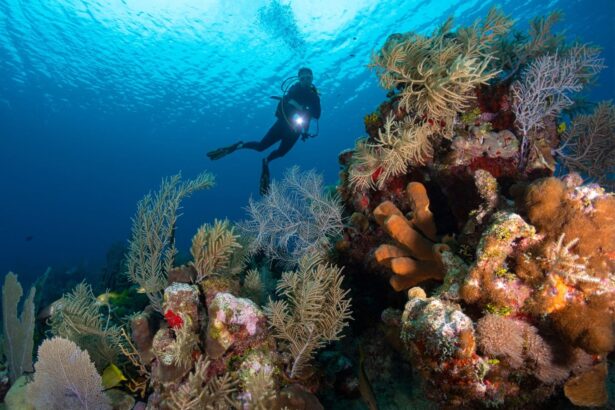
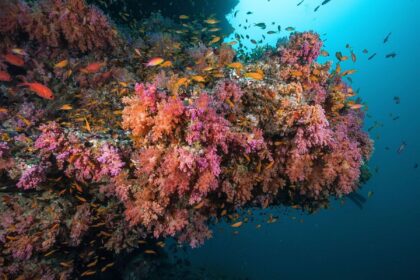
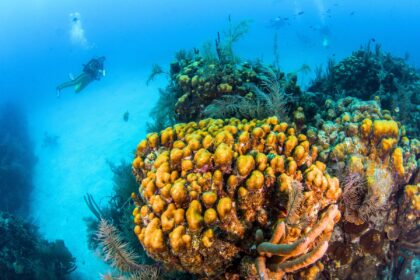
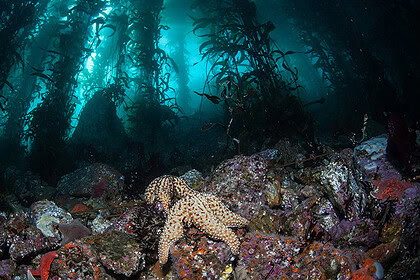
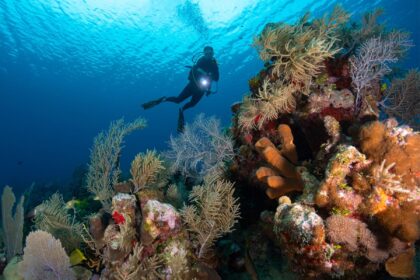
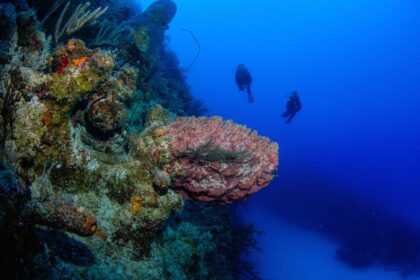
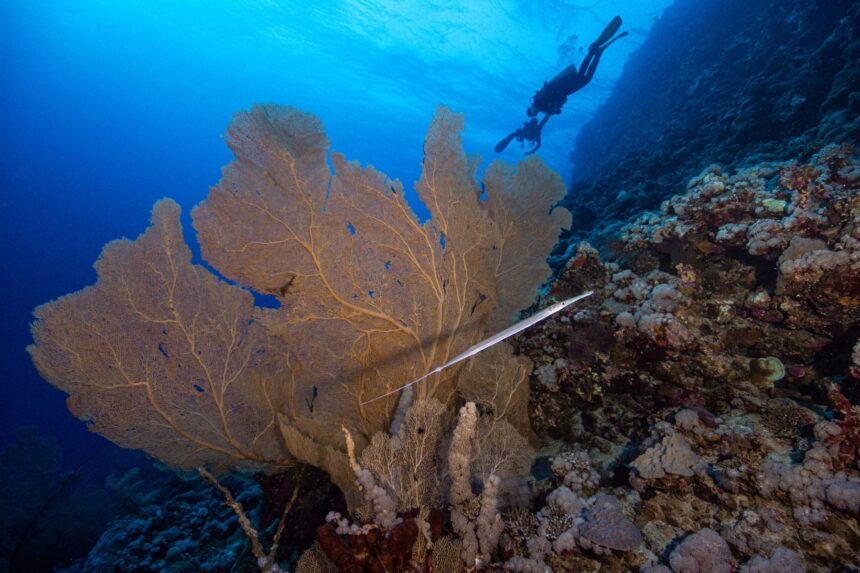
The topography is just as impressive. Vertical walls drop away into the depths, covered in soft corals, sponges, and gorgonians. Natural ledges and plateaus act as gathering points for marine life, making each dive a mix of dramatic scenery and close-up encounters
Famous Wrecks
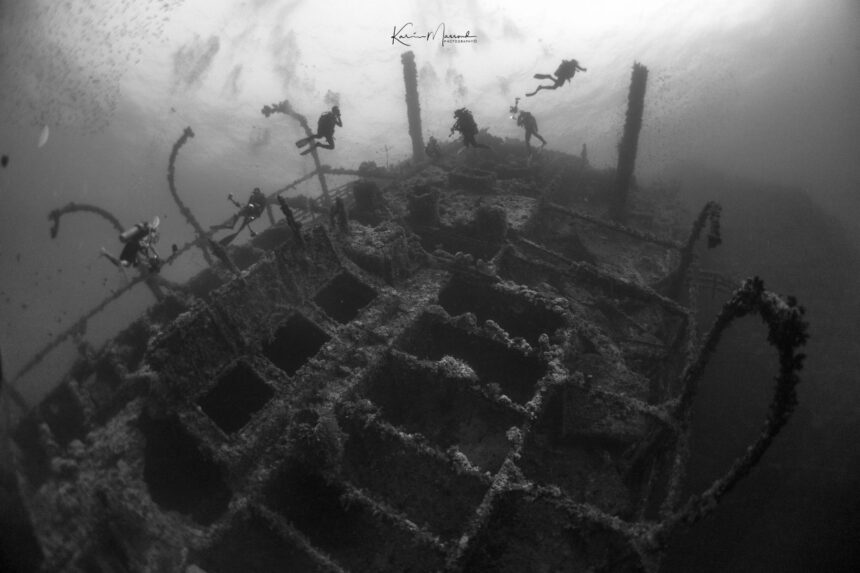
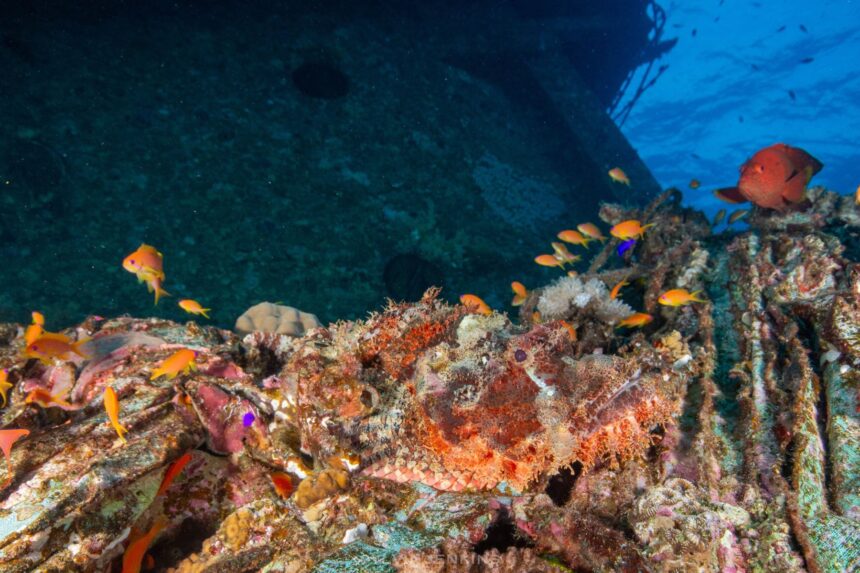


Big Brother is also home to two classic Red Sea wrecks.
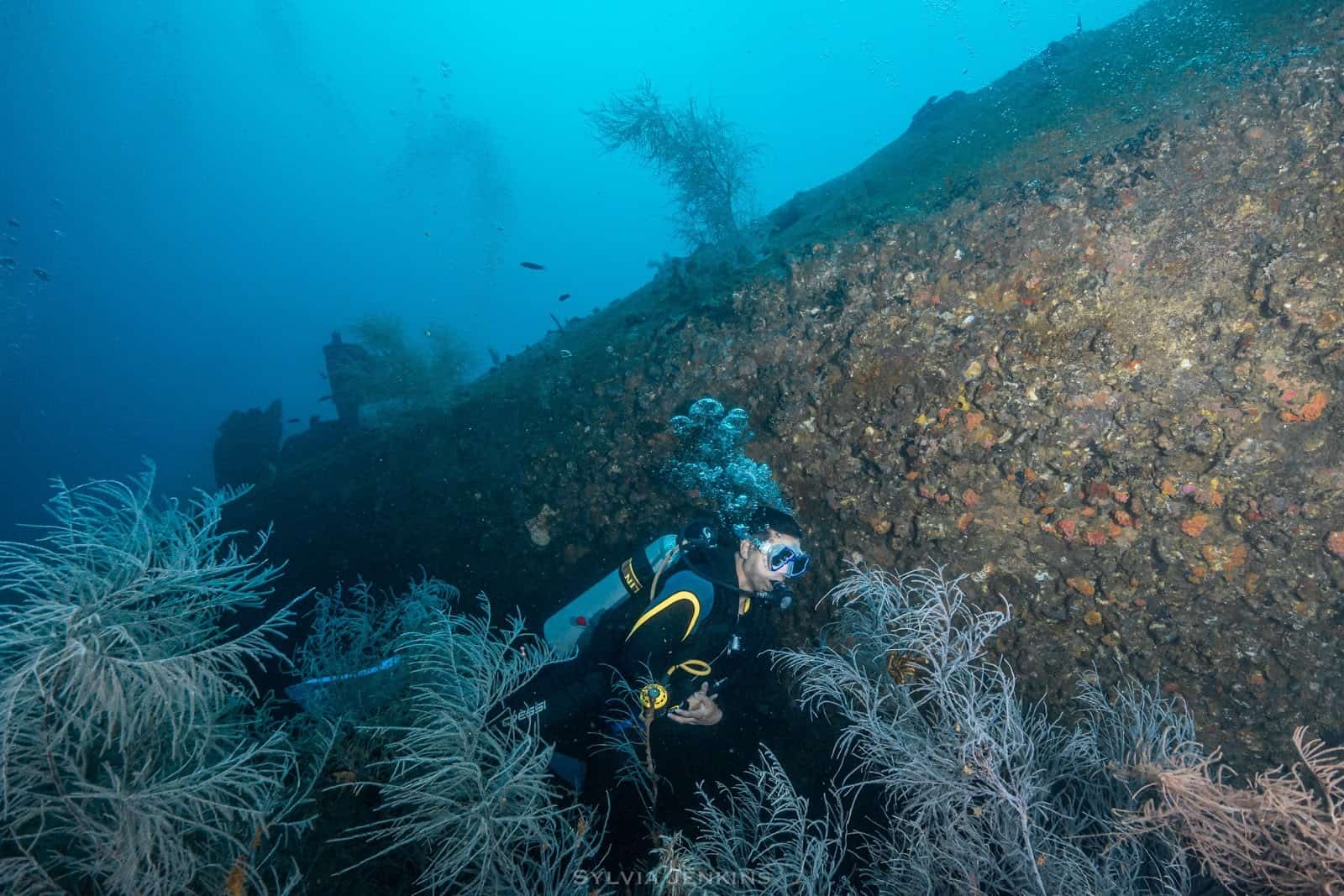
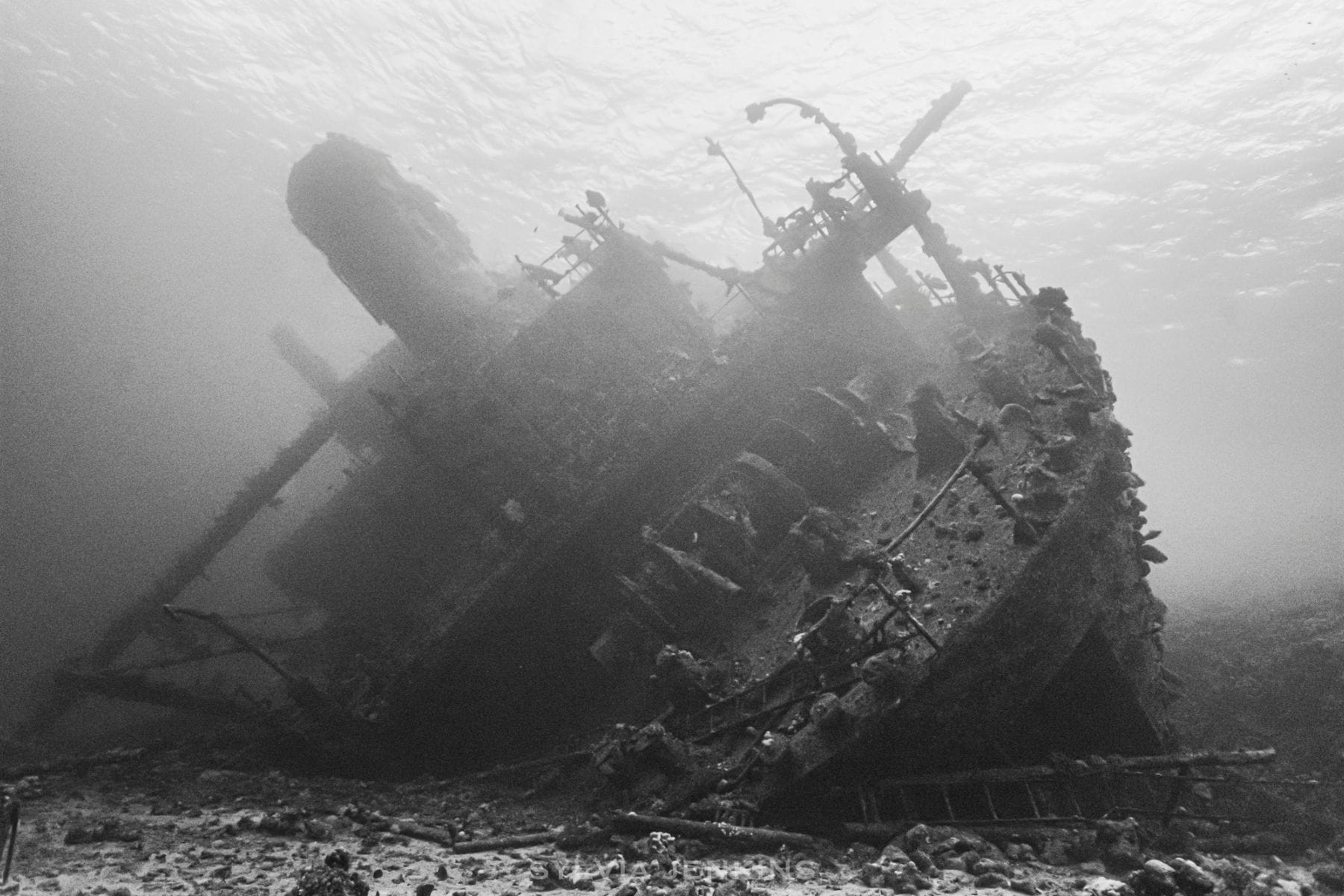
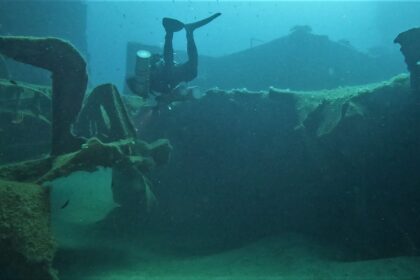
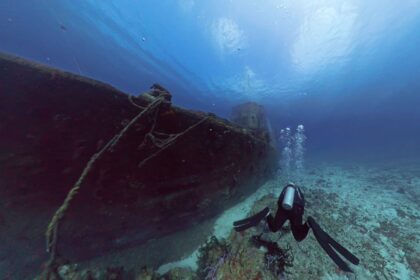
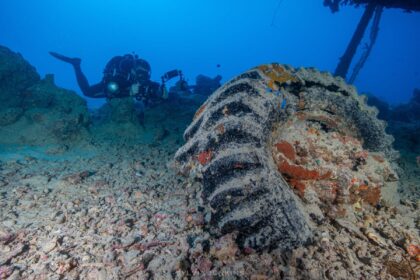
On the north side of Big Brother lies the Numidia, a British cargo ship that struck the reef in 1901. The wreck begins shallow, with the upper bow resting at around 26 feet (8 m), and dropping steeply down the wall to about 262–279 ft (80 to 85 m).
The top sections are accessible to recreational divers, offering coral-encrusted railings, hull plating, and scattered cargo, while the deeper stern draws technical divers. After more than a century underwater, the ship is covered in hard and soft corals and teems with reef fish, with pelagic visitors often sweeping past.
The Aida II, a supply ship that sank in 1957, rests on the southern slope of Big Brother at depths between 82 to 197 feet (25 to 60 m). Though smaller than the Numidia, its upright structure is striking, with decks, masts, and hull now cloaked in coral growth.
The wreck’s mid-range depth makes it approachable for experienced recreational divers on air or nitrox, while still offering plenty of depth for extended exploration. Schools of anthias, groupers, and even moray eels often weave through its framework, making it both an atmospheric and photogenic dive.
Little Brother’s Coral Gardens
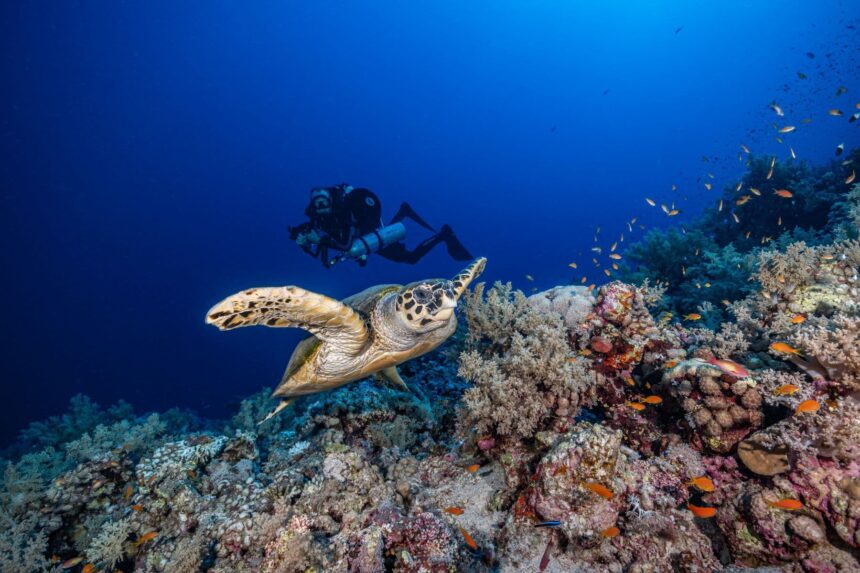
If Big Brother is known for wrecks and sharks, Little Brother is celebrated for pristine coral. The top 60 feet (18 m) of the wall are alive with soft and hard corals, making for some of the most colorful diving in the region. Sharks are common here too, often circling in the blue just beyond the reef.
Challenges of Diving Here
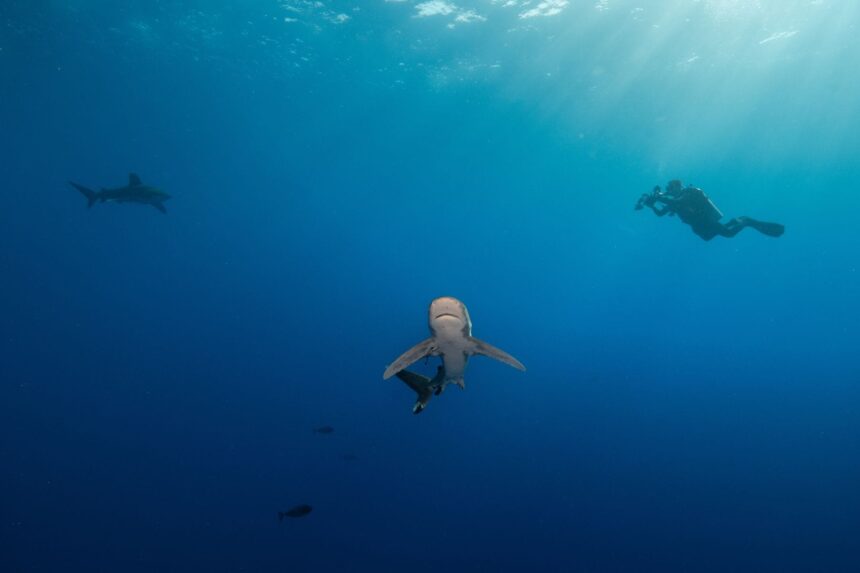
The exposed location of the Brothers means conditions here can be quite demanding. Strong currents, strong winds, and occasional downwellings make the Brothers best suited for advanced divers, usually on liveaboard trips. There are no shallow lagoons for sheltered diving.
Divers need solid buoyancy skills and surface signaling gear such as an SMB (required by most liveaboards). Many divers also bring an EPIRB or Nautilus Lifeline for added safety.
This is advanced diving—but for those with the skills, the rewards are huge.
Beyond the Diving
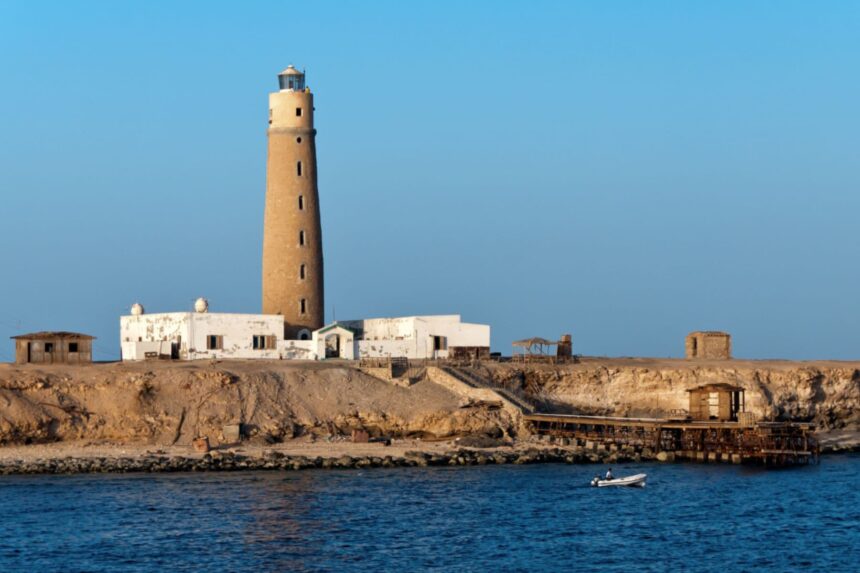
When you’re not underwater, you can step ashore on Big Brother to visit the lighthouse. From the top, you’ll get sweeping views of both islands and the endless Red Sea.
Final Thoughts
The Brothers Islands aren’t for beginners. But if you’re experienced, confident in currents, and ready for world-class big-animal encounters, the Brothers are one of the Red Sea’s absolute must-dives.